

AI + Scenic Design: How Artificial Intelligence Is Transforming Space Conceptualization in 2026
2026 marks a turning point in the scenic design industry. Artificial intelligence is no longer an optional tool it has become a key ally for designers, brands, agencies, and creative studios.
Today, AI accelerates processes, expands creativity, and allows ideas to be visualized with a level of precision that used to take weeks. For brands seeking more innovative, efficient, and spectacular projects, this technology is now indispensable
1. Faster and More Creative Concept Development
Previously, the conceptual phase could take days or even weeks. Now, with AI:
• Moodboards are generated in minutes.
• Multiple visual styles can be explored instantly.
• Variations in color, texture, and form can be proposed.
• Ideas that would be costly to test manually can be experimented with freely.
This allows brands to make clearer, faster decisions from the very beginning of a project.
2. More Realistic Renders and Instant Visualizations
AI enables the creation of preliminary images and renders of:
• Full scenic environments
• 3D pieces
• Props
• Materials and finishes
• Simulated lighting
This reduces errors, accelerates approvals, and improves communication between the client and the scenic fabrication studio.
3. Optimization of Technical Design and 3D Modeling
While AI does not replace engineering or professional modeling, it is a key support for:
• Identifying correct proportions
• Suggesting structural solutions
• Anticipating potential failures
• Optimizing shapes and geometries
The result: pieces that are more stable, efficient, and production-ready.
4. Unlimited Creativity for Props and Themed Scenography
With AI, creatives can explore concepts that once seemed impossible:
• Fantastical worlds
• Cinematic atmospheres
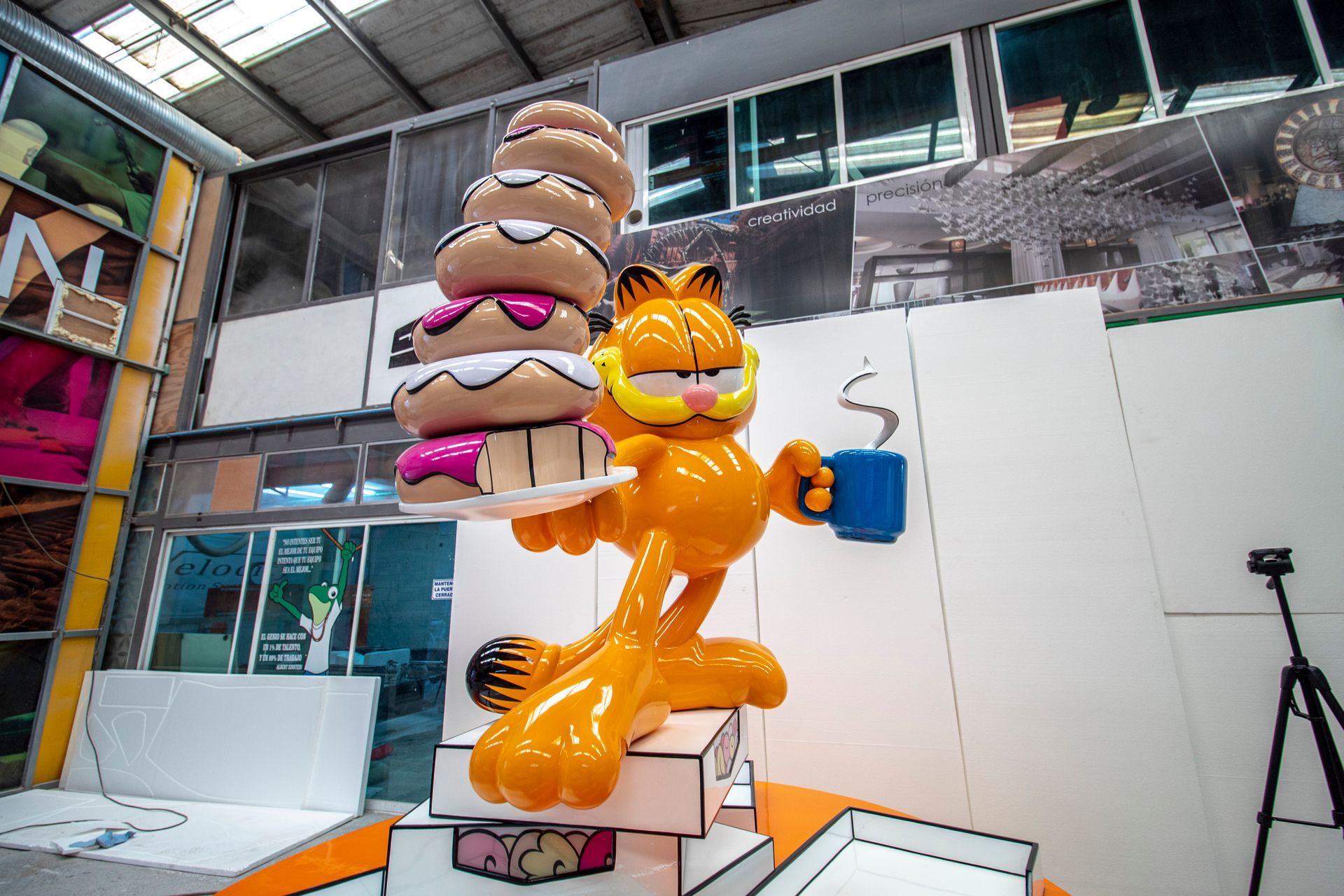
• Surreal sculptures
• Monumental pieces
• Unconventional material combinations
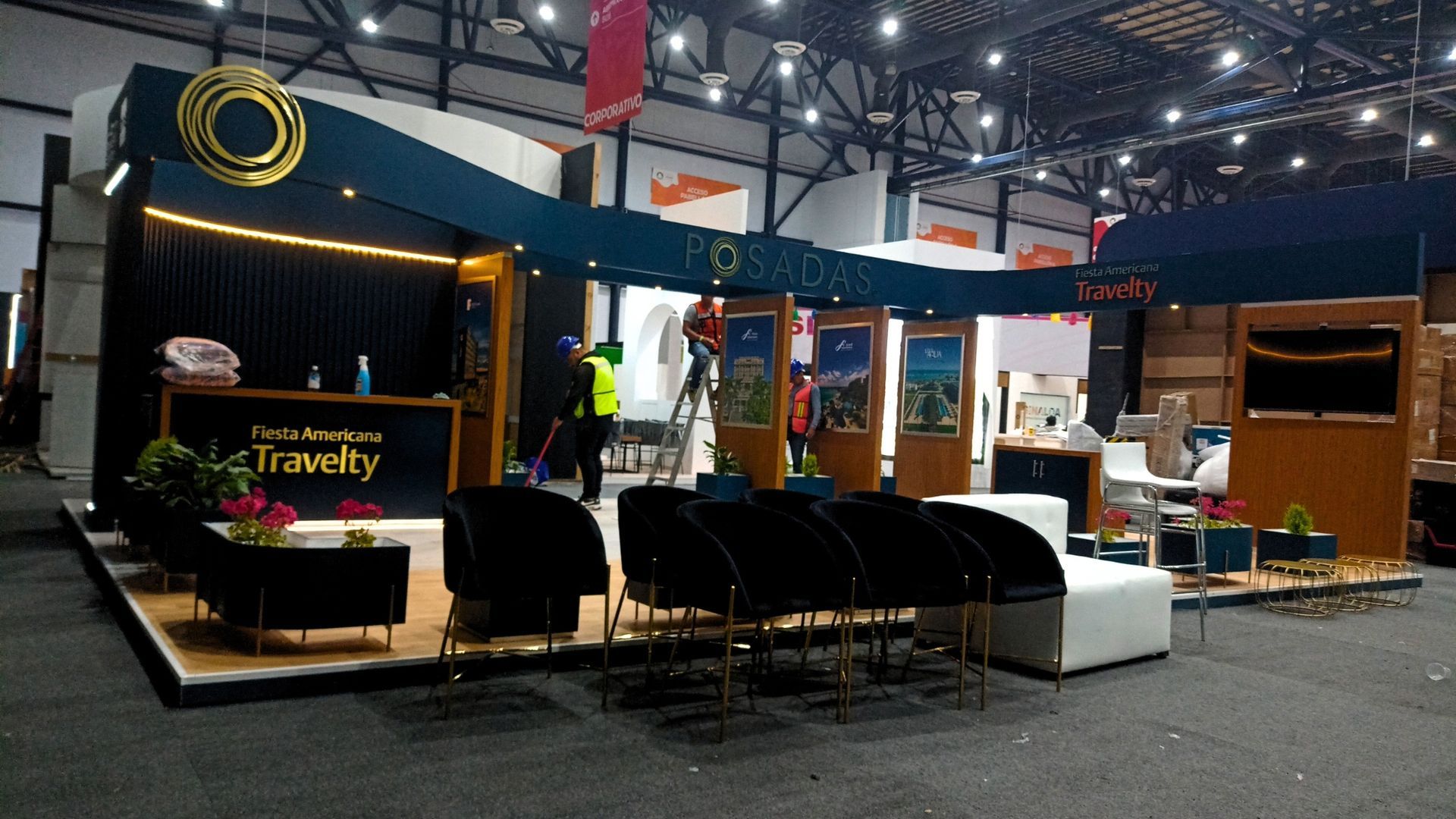
This drives innovation in theme parks, brand activations, museums, hotels, and international fairs.
5. Time Savings and Cost Reduction
Thanks to AI:
• The number of design changes is reduced.
• Communication with brands and agencies improves.
• Rework is minimized.
• Projects receive faster approval.
In the long run, this means faster, more precise, and more profitable productions.
Artificial intelligence is redefining how scenic spaces are designed and visualized. For brands seeking innovation, speed, and spectacular results, integrating AI into the creative process is no longer a luxury, it is a strategic tool.
At Scenic Studios, we combine technology, creativity, and engineering to transform ideas into impactful experiences.