

Experiential Retail: Why Physical Stores Remain a Powerful Tool for Connecting with Consumers
For years, experts predicted that e-commerce would completely replace physical stores. However, reality has proven otherwise: brick-and-mortar spaces continue to play a crucial role in the customer experience.
Today, the most successful brands no longer view their stores simply as points of sale. Instead, they see them as environments capable of creating emotions, reinforcing brand identity, and building meaningful connections with customers. This evolution has given rise to what is known as experiential retail.
What Is Experiential Retail?
Experiential retail is a strategy designed to transform a store visit into a memorable experience. Rather than simply displaying products, these spaces are carefully crafted to engage consumers through visual, interactive, and emotional elements.
The goal is not just to sell products—it is to allow customers to experience the brand.
To achieve this, companies often incorporate:
- High-impact window displays
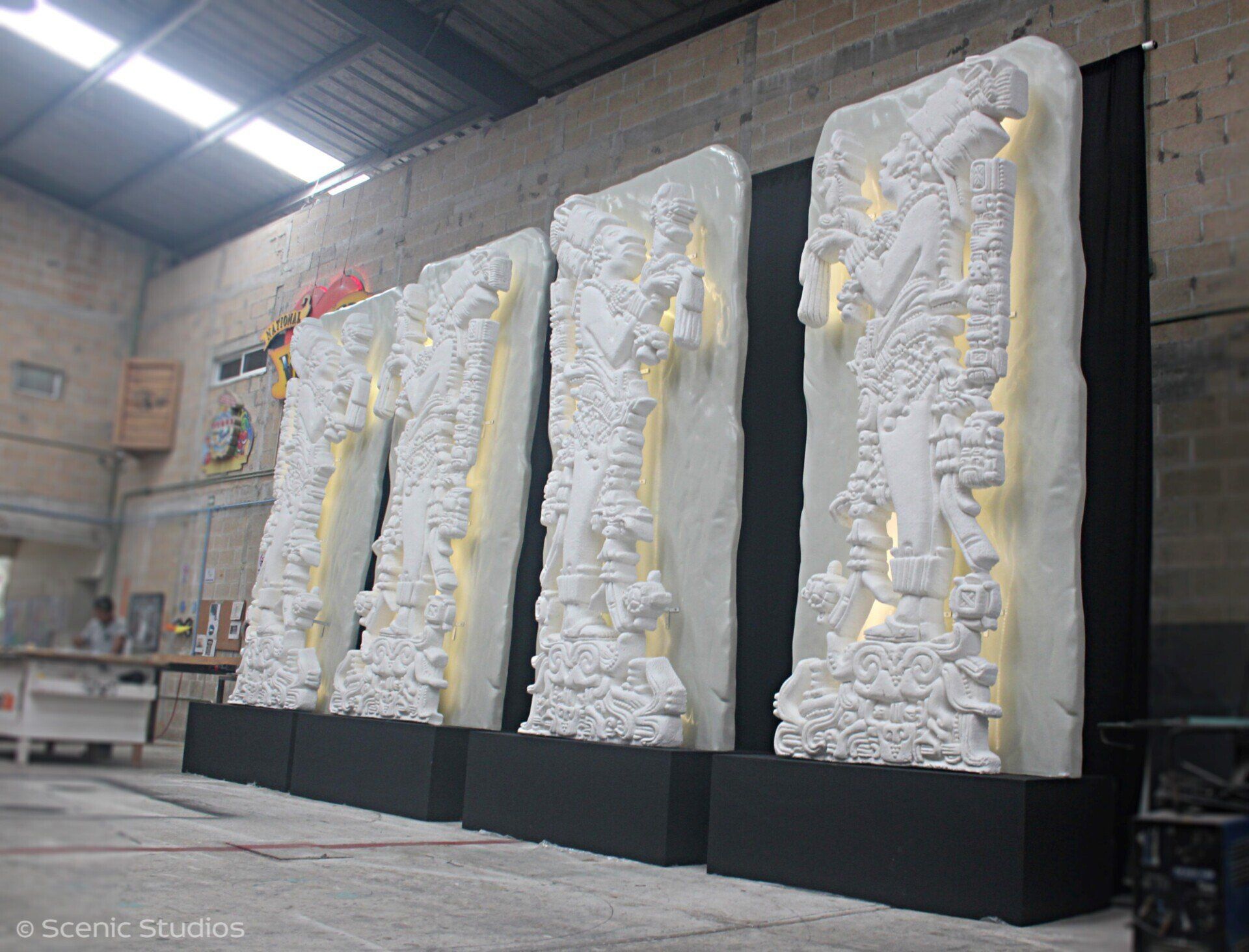
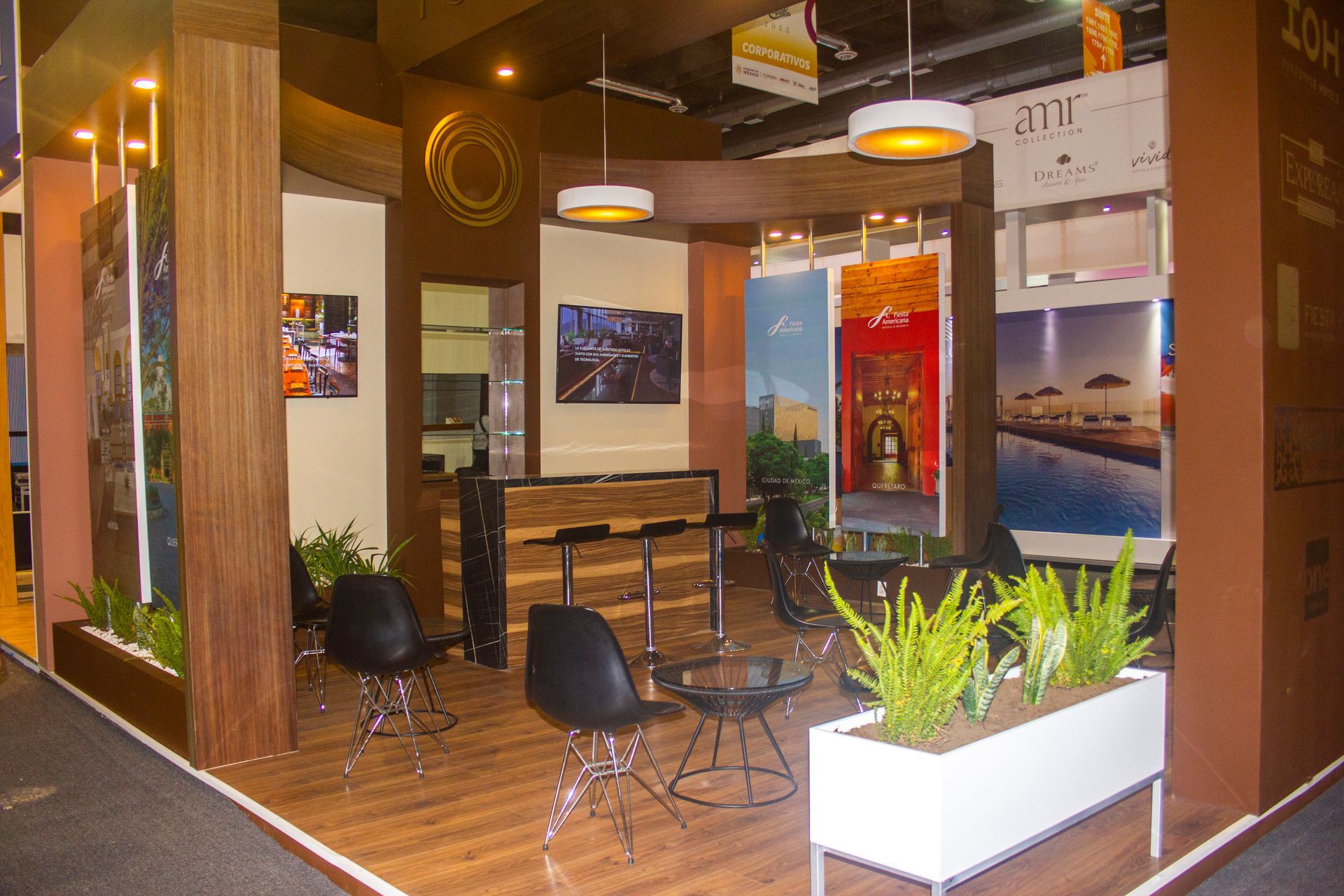
- Custom displays and fixtures
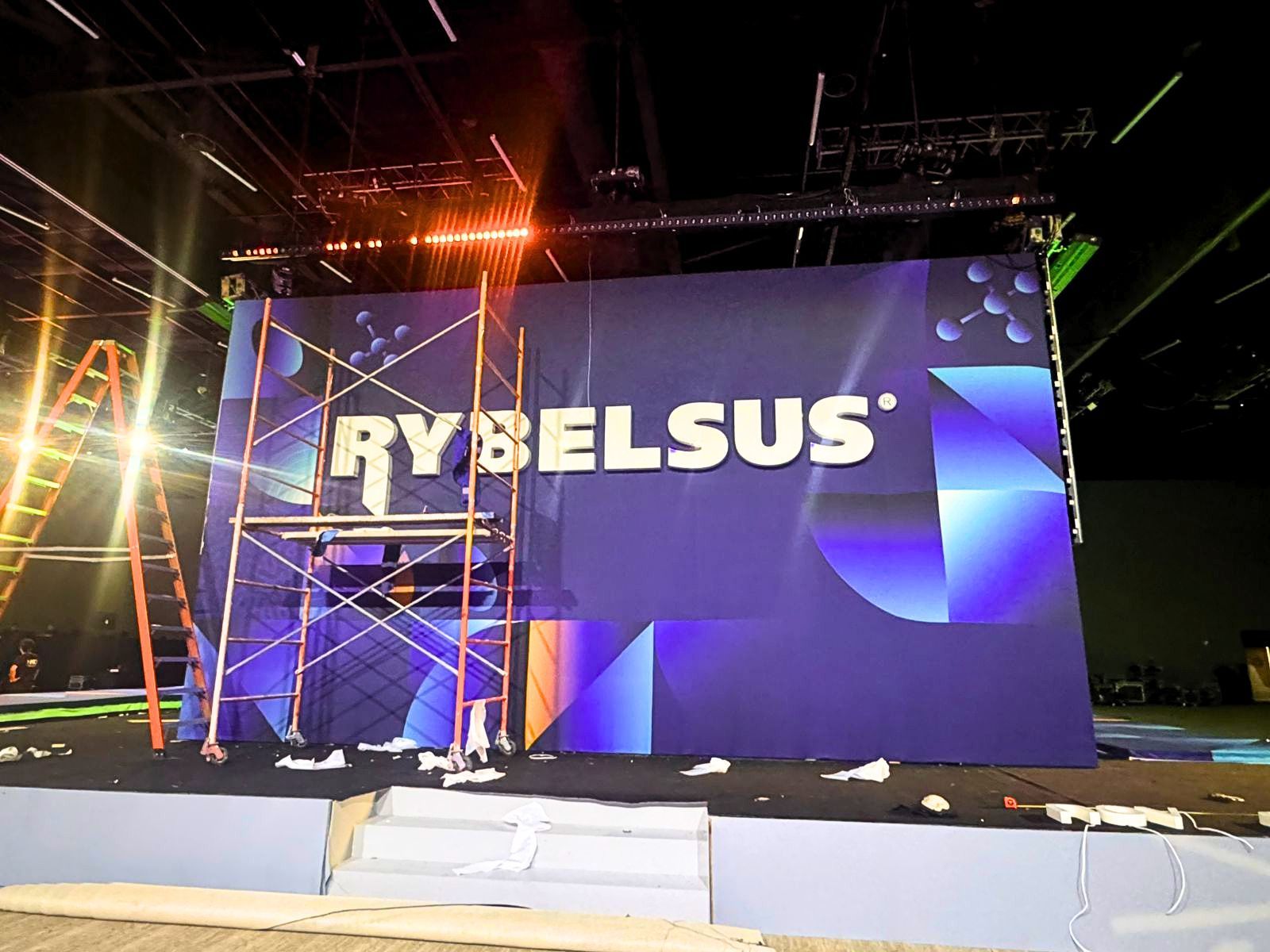
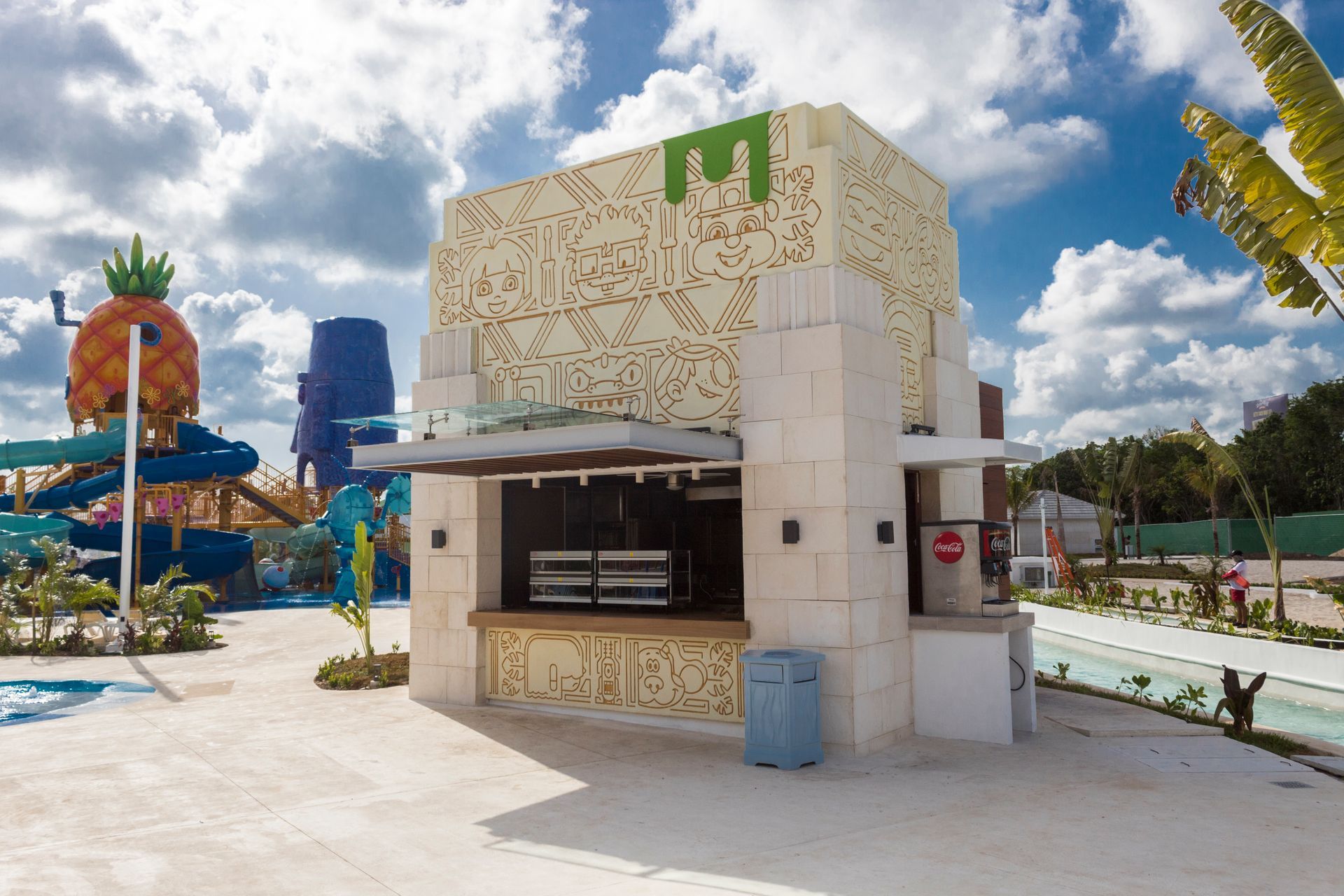
- Thematic environments
- Interactive spaces
- Strategic visual design
- In-store activations
Why Physical Stores Still Matter
While online shopping continues to grow, consumers still value the opportunity to interact with brands in person.
Physical stores offer something the digital world cannot fully replicate: a multi-sensory experience.
Customers can touch products, explore details, interact with their surroundings, and develop a deeper emotional connection with a brand.
In addition, physical environments provide an immediate and powerful way to communicate a company’s values, personality, and unique differentiators.
How Experiences Influence Purchasing Decisions
Emotions play a significant role in consumer behavior. An attractive, well-designed environment that aligns with a brand’s identity can substantially increase customer interest and purchase intent.
Positive in-store experiences often lead to:
- Longer time spent in the store
- Increased interaction with products
- Stronger brand recall
- More recommendations and social media sharing
- Higher likelihood of purchase and repeat purchases
For this reason, more brands are investing in experiential design as a key component of their commercial strategy.
The Role of Design and Production in Modern Retail
The customer experience begins long before a purchase decision is made.
Window displays, custom fixtures, branded furniture, and visual elements are powerful tools for capturing attention and communicating a brand’s essence from the very first moment.
When developed strategically, these elements transform a retail space into an extension of the brand itself, creating consistent and memorable experiences for visitors.
The Future of Retail Lies in Experiences
Physical stores continue to evolve. Today, they are no longer competing solely to sell products—they are competing to deliver experiences that create connection, differentiation, and value.
Brands that successfully transform their spaces into engaging and immersive environments have greater opportunities to strengthen customer relationships and stand out in increasingly competitive markets.
Experiential retail demonstrates that physical stores remain a powerful tool for connecting with consumers. Beyond driving sales, these spaces help build relationships, evoke emotions, and strengthen brand presence.
Investing in in-store experiences is an effective way to differentiate a brand and create moments that customers remember long after they leave the store.
Looking to Transform Your Retail Space into a Memorable Experience?
At Scenic Studios, we design and fabricate custom displays, window showcases, branded furniture, and immersive visual experiences that help brands connect with their audiences in creative and strategic ways. Through expert craftsmanship, innovative design, and full-service production, we bring retail environments to life.