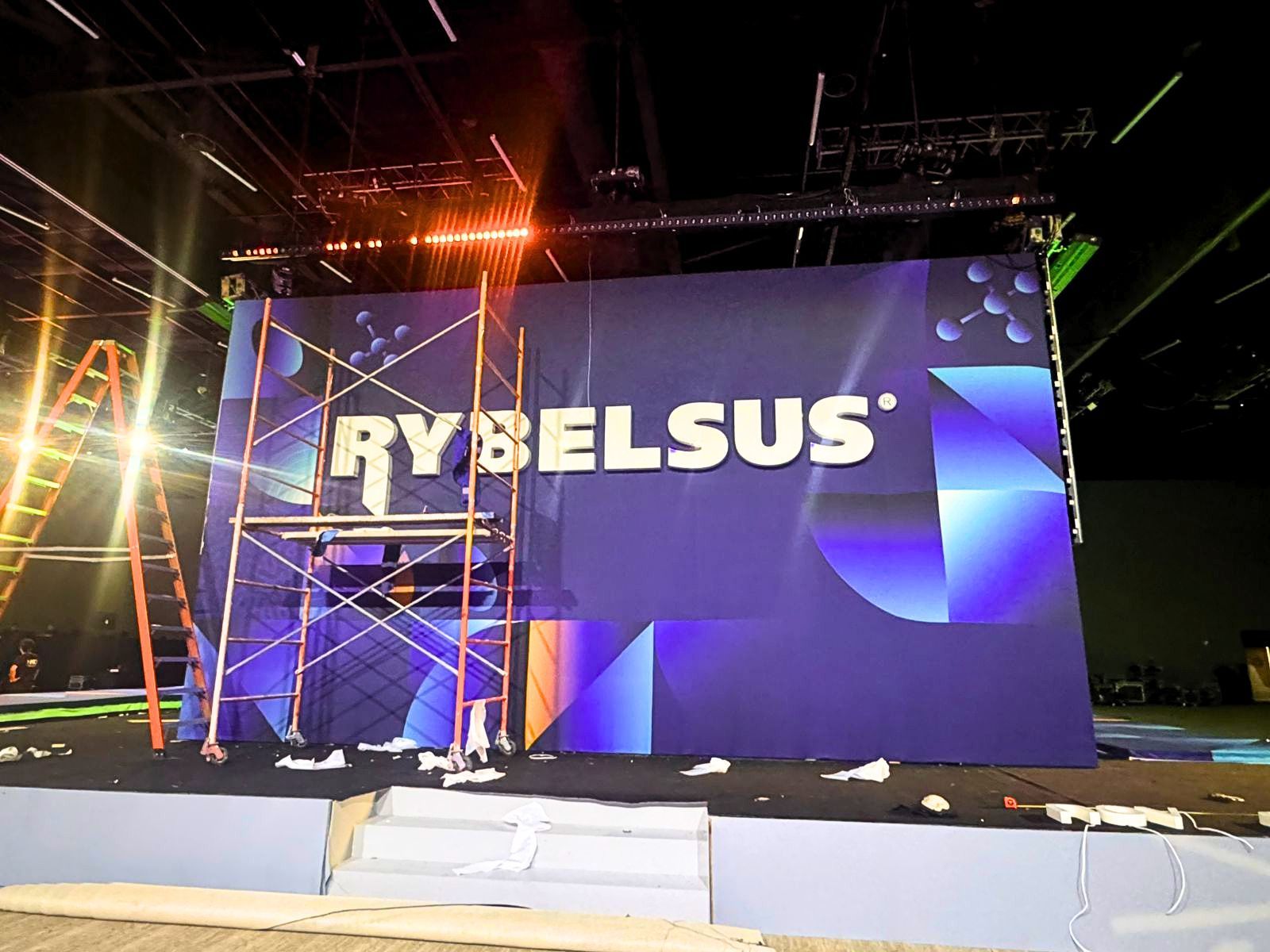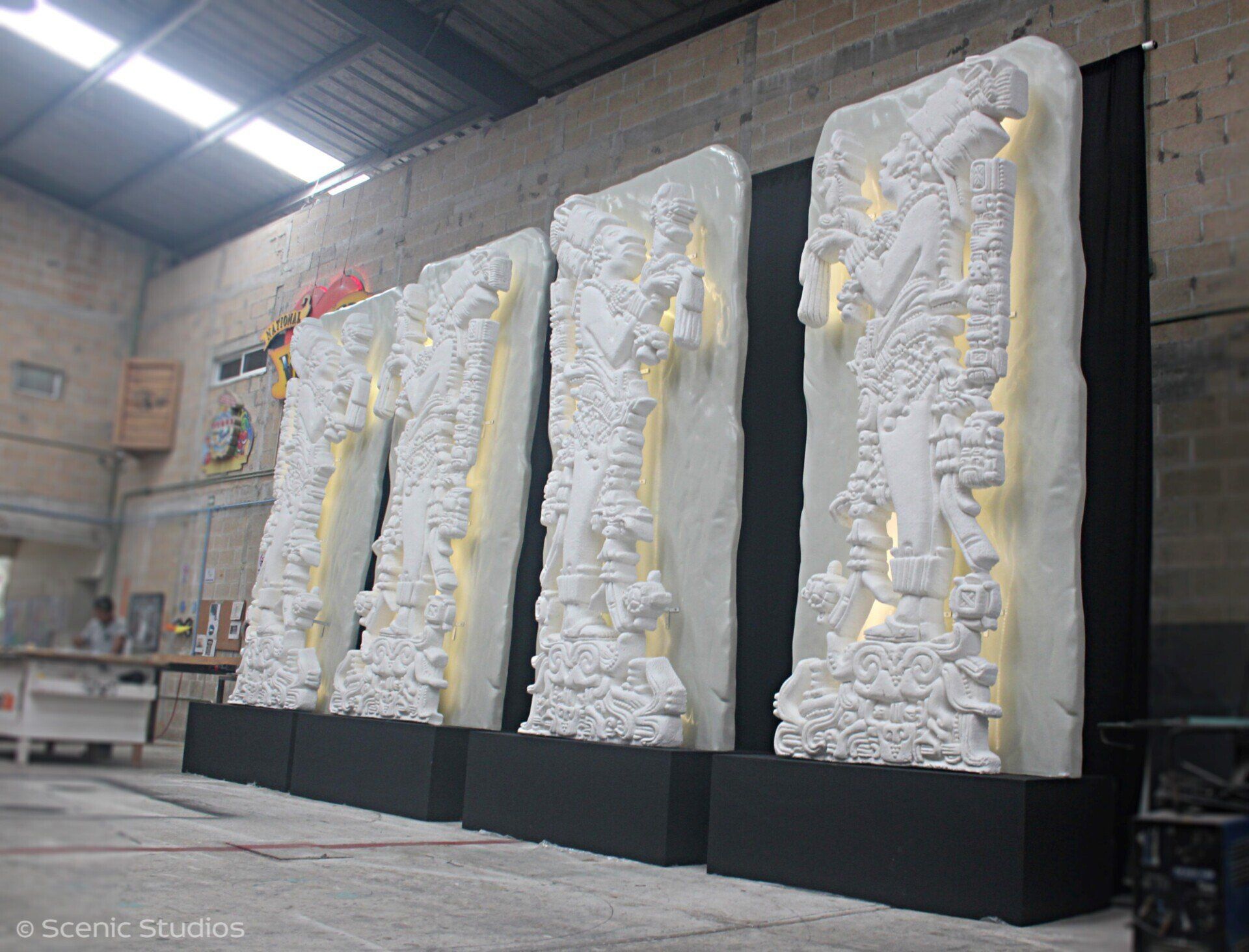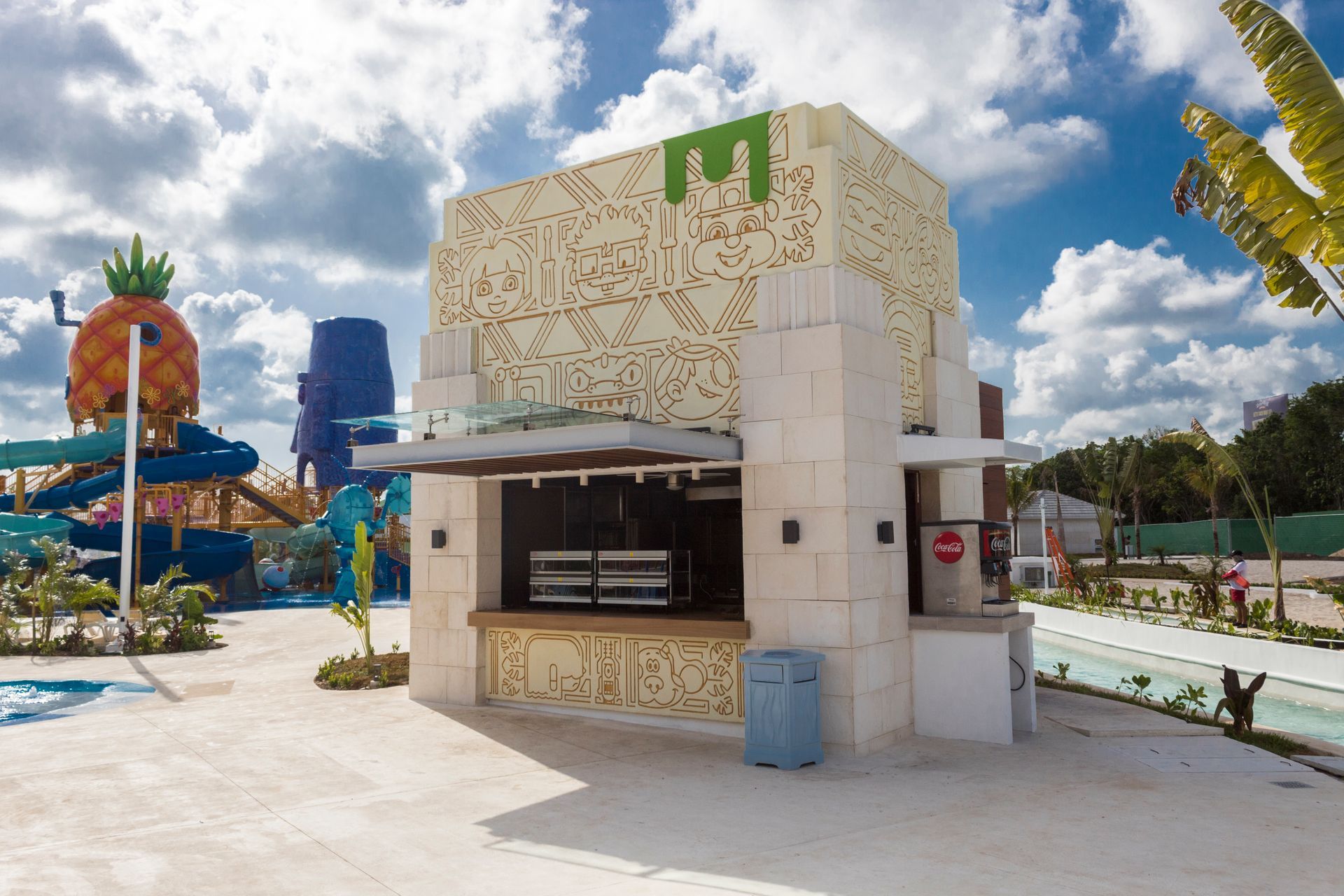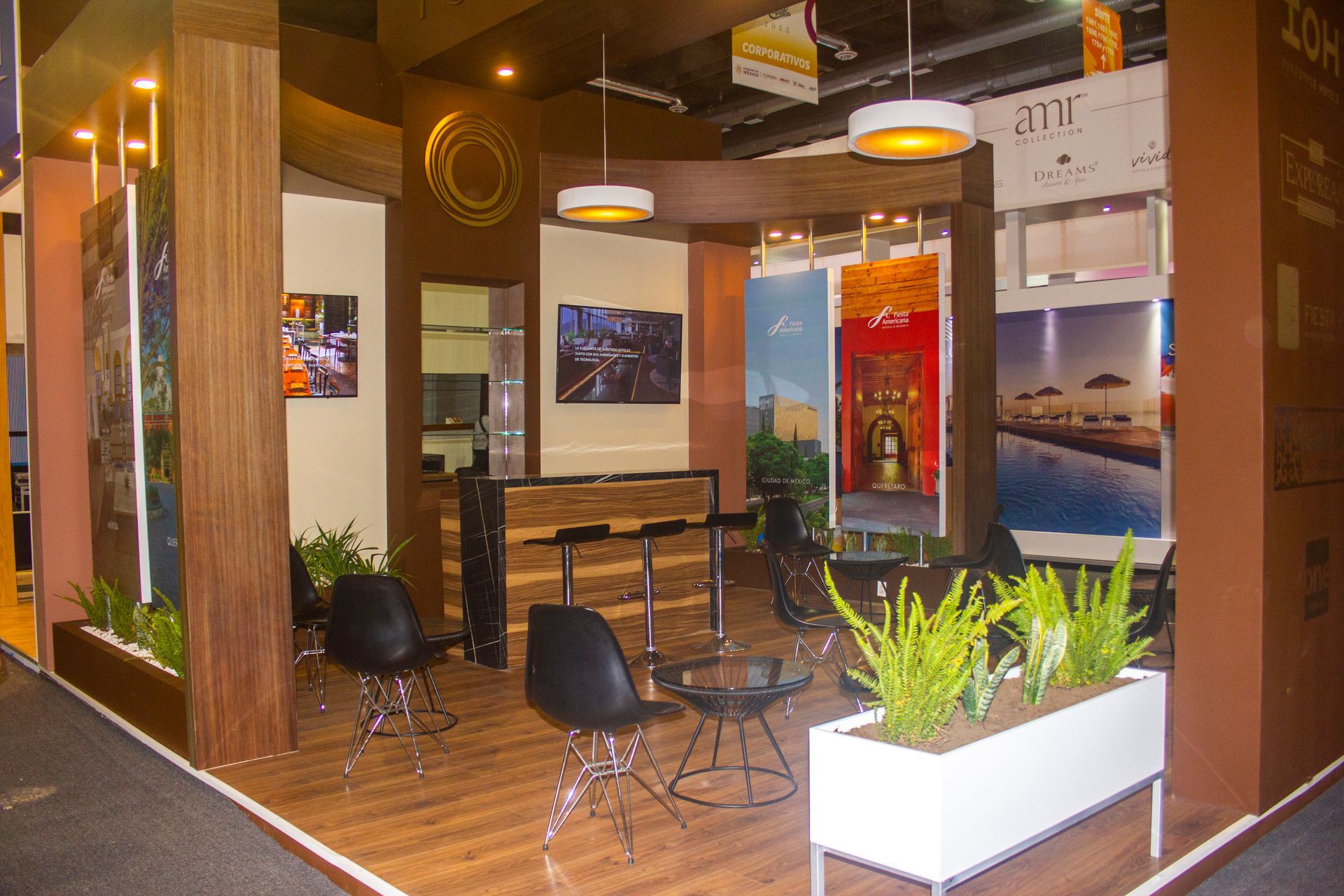


How Major Brands Use Immersive Scenography to Gain Relevance in a Saturated Digital World
In a world where audiences are exposed to thousands of digital messages every day, capturing their attention has become one of the biggest challenges for brands. Traditional advertising is no longer enough; what truly creates impact is an experience that can be felt, shared, and remembered.
This is why major global brands are investing in immersive scenography as a strategic tool to stand out, build emotional connection, and turn attendees into natural ambassadors for the brand.
1. Immersive experiences generate real (not superficial) engagement
While a digital ad has only a few seconds to capture attention, an immersive experience:
• Keeps the user engaged for several minutes (or even hours)
• Generates direct interaction
• Allows the audience to experience the brand with all their senses
• Produces spontaneous organic content
2. Immersive spaces become viral hotspots
Consumer behavior has changed. Today, the question is not only “Do I like the brand?” but “Is this an experience worth sharing?”
That’s why immersive scenography is strategically designed to:
• Be photogenic
• Be easily recorded for Reels and TikTok
• Have key points of lighting and composition
• Become an attraction that invites content creation
3. 3D props, technology, and multisensory design drive emotional connection
Global brands are integrating these tools to create powerful experiences:
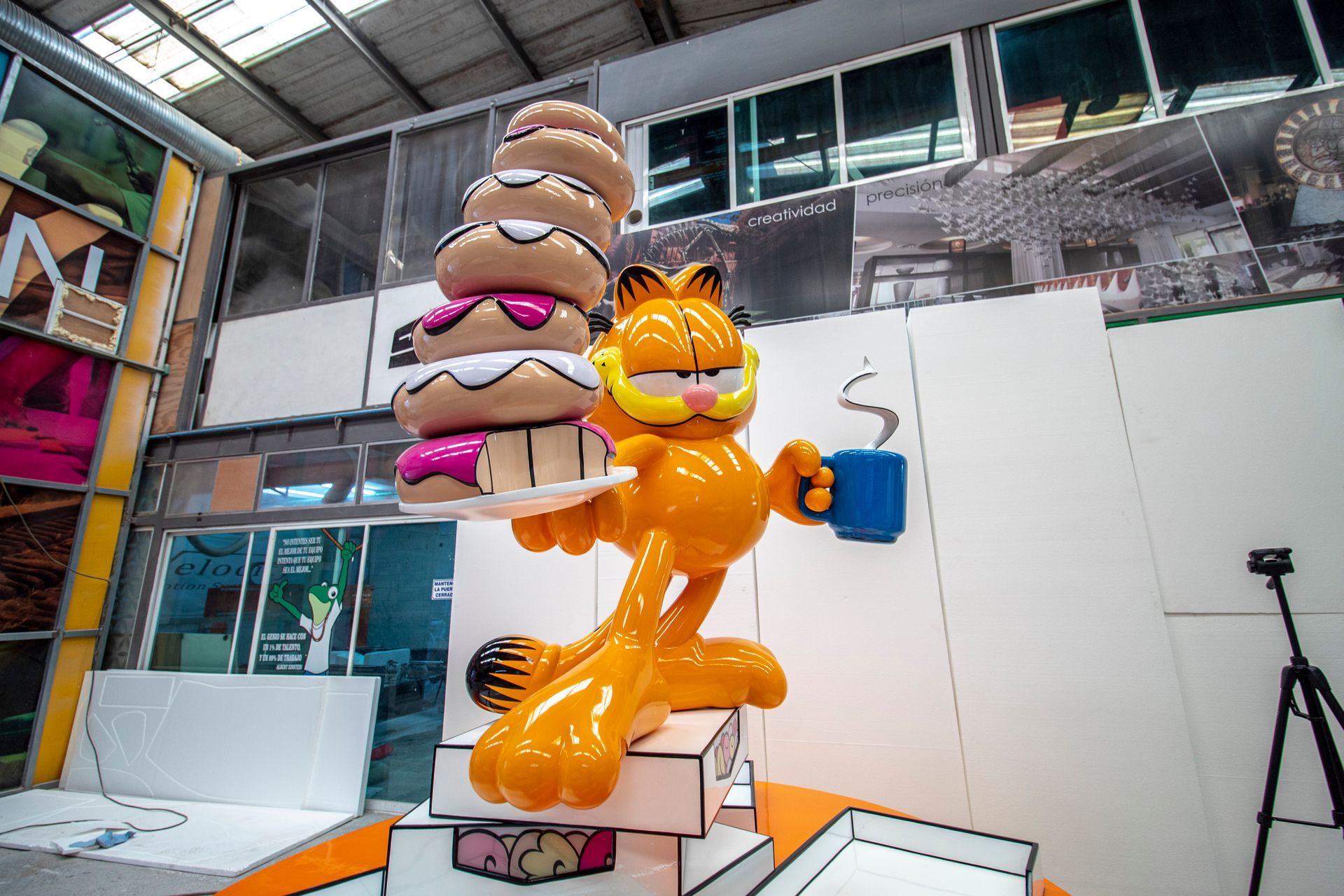
• Monumental 3D props that function as visual icons
• Reactive lighting that changes with user movement
• Immersive sound that amplifies the brand narrative
• Scents, textures, and tactile elements to deepen the experience
• Mapping, LED walls, and interactive projections
4. Immersive scenography turns an abstract message into something tangible
Traditional campaigns explain.
Immersive experiences make you feel.
Global examples:
✔ Disney recreates complete worlds to emotionally transport the audience
✔ Netflix builds immersive sets based on series to strengthen fandom and digital conversation
✔ Heineken and Coca-Cola design activations that connect with lifestyle and music
✔ Google and Apple use scenography in product launches to make technology understandable
5. Immersive experiences generate stronger metrics than digital ads
While a digital ad measures clicks or impressions, immersive scenography measures:
• Dwell time
• Real interaction
• Number of user-generated content pieces
• Organic reach on social media
• Leads captured directly at the event
• Recurrence and brand loyalty
6. Global brands seek suppliers capable of building physical experiences
And here is where Mexico plays a key role.
International brands are seeking scenographic solutions that are:
• Modular
• Transportable
• Durable
• Premium-finished
• Ready for tours or multi-city activations
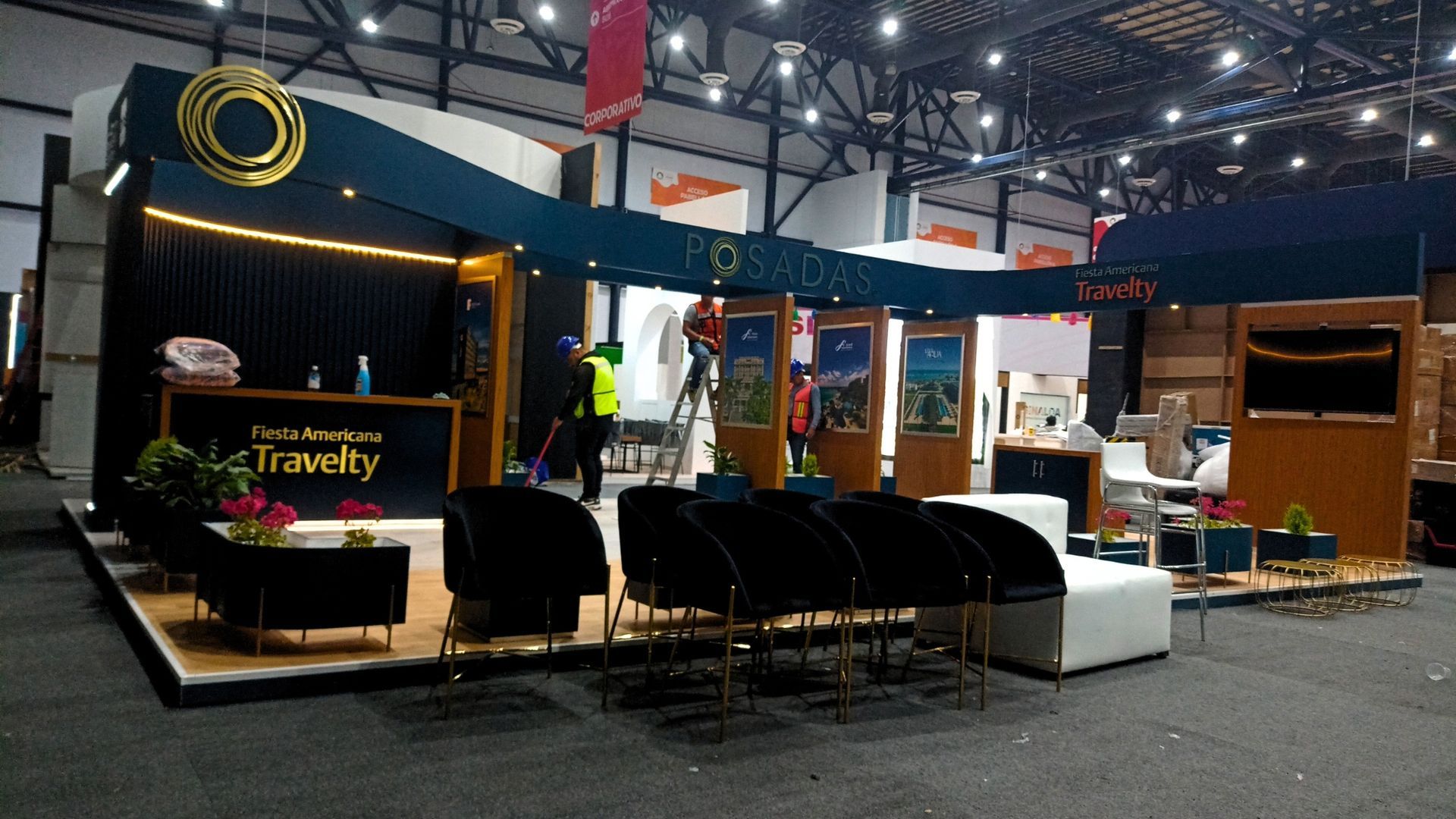
This has increased demand for specialized workshops in:
• 3D prop production
• Set design
• Fiberglass work
• EPS + polyurea
• Metal structures
• Professional installation
• Scenographic design for international campaigns
7. What makes an immersive experience truly successful
Brands leading this trend share these key elements:
✔ A clear story
✔ A powerful visual concept
✔ Impeccable scenographic execution
✔ Seamless integration of craftsmanship and technology
✔ A design created for viral content
✔ Safe, efficient, and professional setup
In a saturated digital world, the brands that stand out are those that understand that human connection is built through experiences. Immersive scenography is not just a trend—it’s a strategic tool to strengthen branding, increase organic reach, and generate measurable results.
Scenic Studios is ready to help brands, agencies, and corporate teams transform ideas into memorable experiences, from conceptual design to final installation.