

What Companies Should Know Before Hiring a Scenography Factory Introduction
Choosing a scenography factory is a strategic decision for brands, agencies, corporations, and theme parks. A well-executed production can elevate the audience experience and strengthen visual identity. At Scenic Studios, we’ve gathered the essential information every company should know before investing.
1. Production Timelines: What It Really Involves
1.1 Every project starts in design—not in production
Before fabrication begins, the project must go through:
• Concept development
• Sketches or renders
• Measurement reviews
• Material selection
• Engineering
Skipping or rushing this stage inevitably leads to delays and additional costs.
1.2 Average timelines
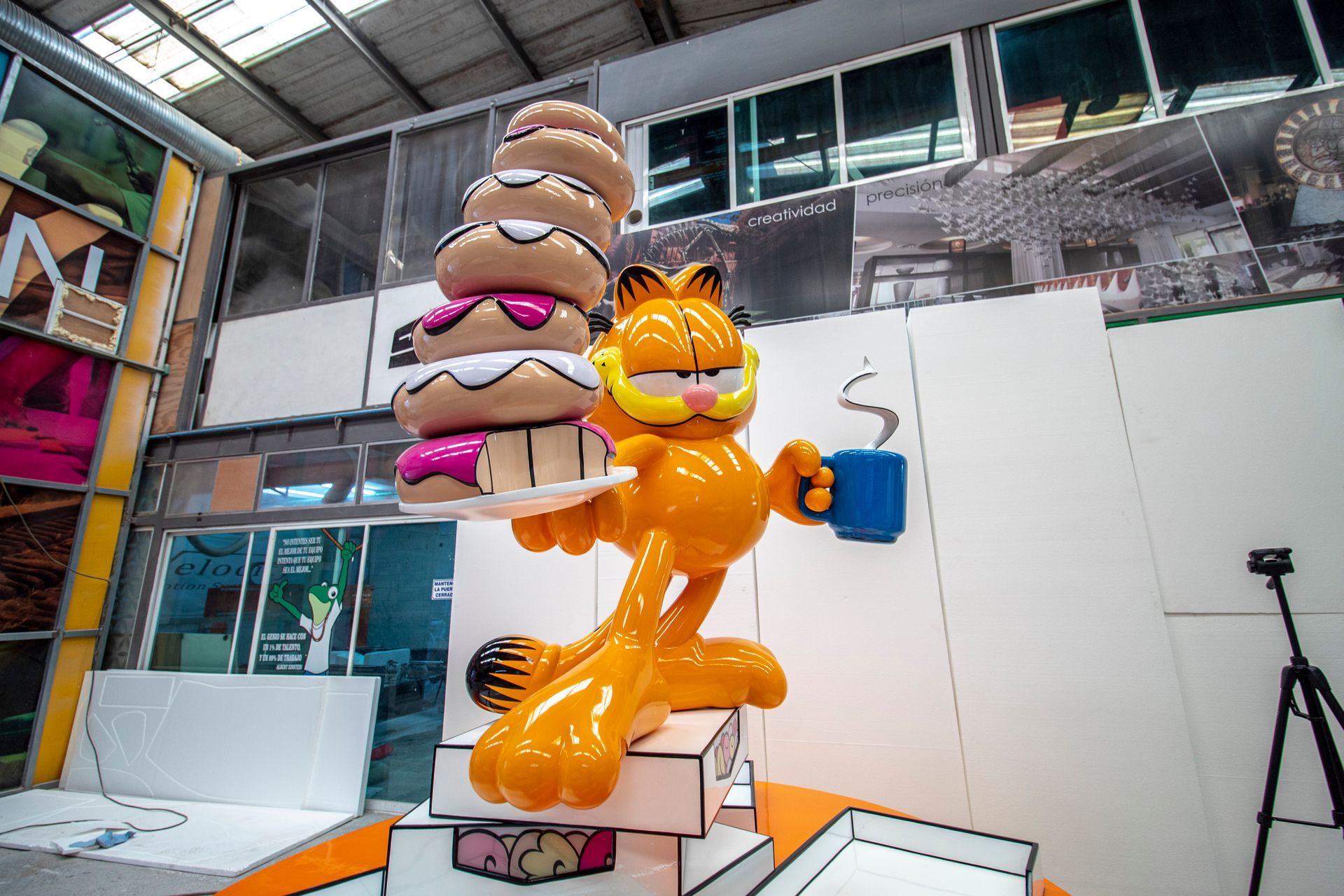
• 3D props:
1–3 weeks
• Large-scale scenography:
4–8 weeks
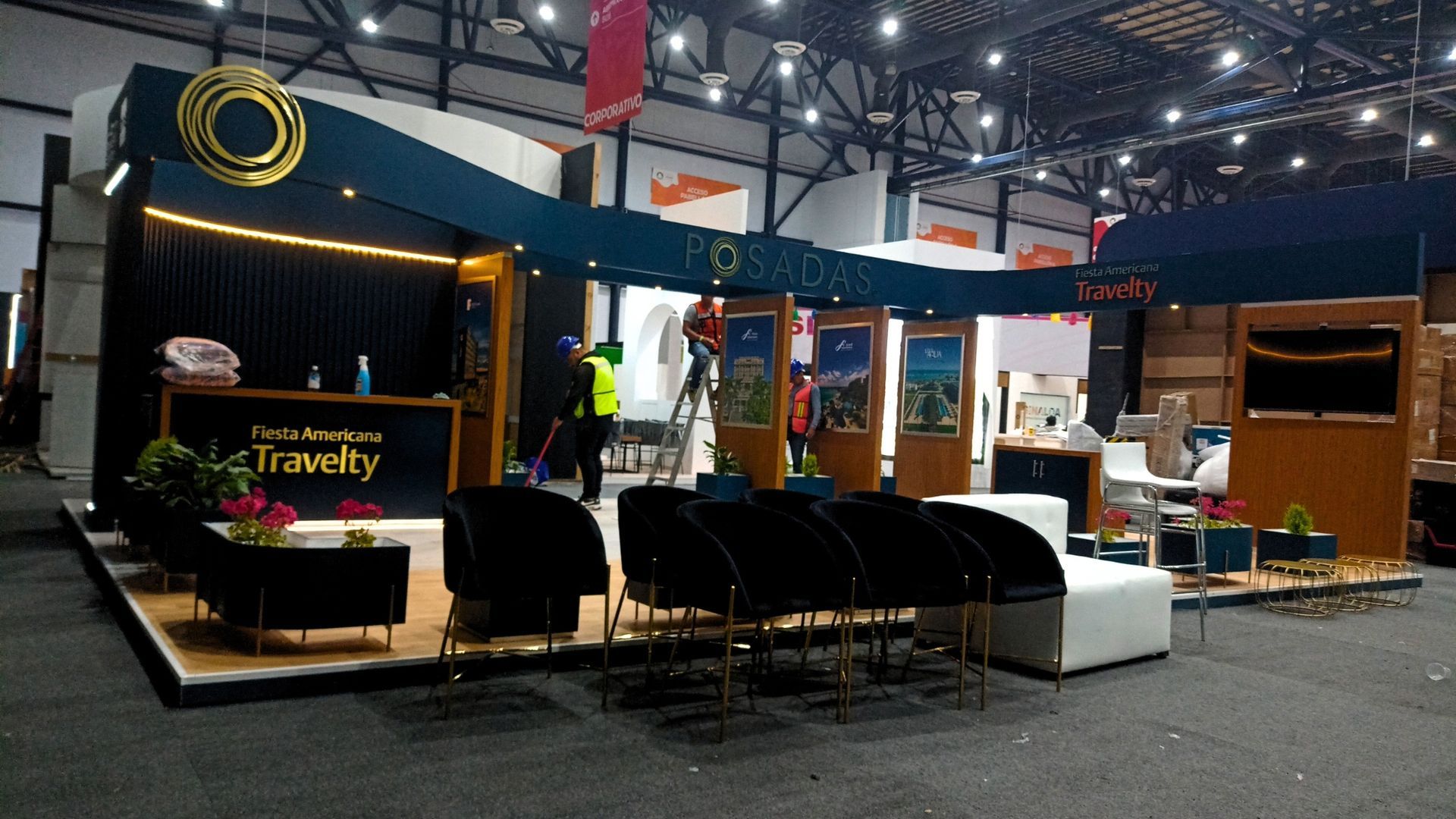
• Trade show booths:
3–6 weeks
• Fiberglass pieces:
3–7 weeks
• Theme park productions:
6–12 weeks
These timelines do not include approvals, revisions, or payment processes.
2. Materials: The Foundation of Cost, Durability, and Aesthetics
Materials determine cost, weight, timeline, and overall appearance. The most commonly used are:
•
EPS + Polyurea: lightweight and monumental pieces
•
Fiberglass: high realism and durability, ideal for outdoor installations
•
Wood + MDF: structural and architectural scenography
•
Graphics and printing: branding and environmental design
•
Special finishes: metallics, weathered effects, artistic painting
3. Internal Processes: How a Professional Workshop Operates
A high-level scenography factory integrates:
• 3D design and modeling
• Structural engineering
• CNC and laser cutting
• Sculpture and fine arts
• Resins, coatings, and polyurea application
• Artistic painting and texture work
• Installation, testing, and logistics
A successful project depends on coordinating each step without improvisation.
4. Costs: The Factors That Truly Influence Pricing
The final cost is defined by:
• Design complexity
• Types of materials
• Project size
• Level of finishing detail
• Delivery timelines
• Logistics and installation requirements
5. Before Choosing a Scenography Factory, Make Sure They:
• Have an in-house workshop
• Offer 3D modeling and engineering services
• Use industrial-grade materials
• Demonstrate verifiable experience
• Provide renders and plans beforehand
• Include installation, testing, and on-site support
• Comply with structural and safety standards
This helps you avoid poorly made pieces, delays, low-quality finishes, and hidden costs.
Understanding timelines, materials, processes, and cost factors will help you choose the right provider and ensure flawless results.
At Scenic Studios, we offer comprehensive solutions in scenographic design, production, and installation—powered by advanced technology and an expert team specializing in corporate, themed, and artistic projects.