

Experiential Hospitality: How Hotels and Restaurants Elevate Their Value Through Scenic Design
In a highly competitive environment, the hospitality industry has evolved beyond service and location. Today, hotels and restaurants do not just sell accommodation or gastronomy; they sell experiences. In this context, scenic design has positioned itself as a strategic tool capable of transforming spaces into immersive narratives that emotionally connect with users.
Differentiation no longer depends solely on the offer, but on how it is experienced.
The Space as a Branding Tool
Every space communicates. From a hotel’s entrance to the interior of a restaurant, every element materials, lighting, textures, and volumes builds brand perception. Scenic design aligns these elements under a clear concept, creating coherence between identity, aesthetics, and experience.
A lobby can convey exclusivity, a restaurant can evoke culture or sophistication, and a bar can become a memorable point of interaction. It is not just about decoration, but about designing with strategic intention.
Narrative and User Experience
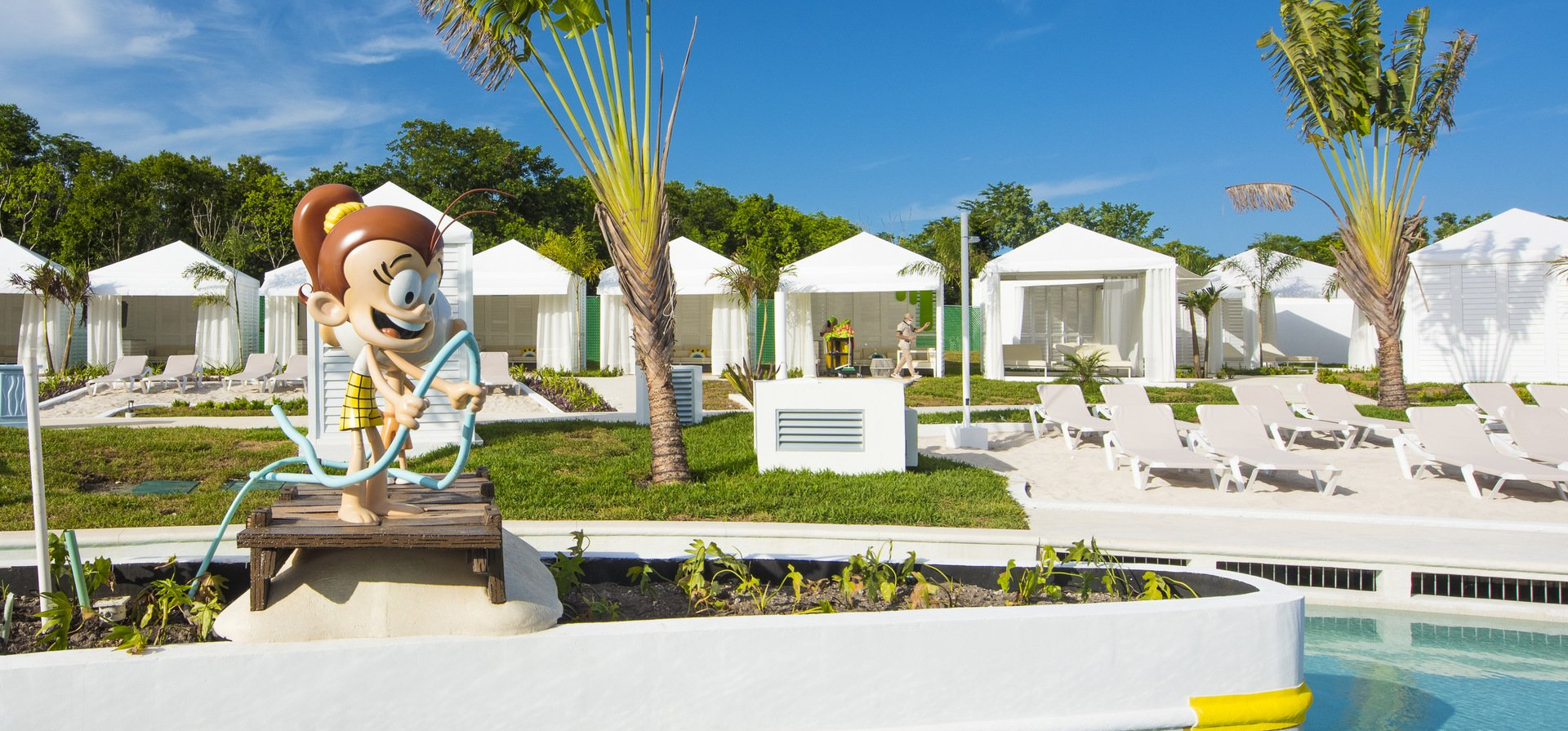
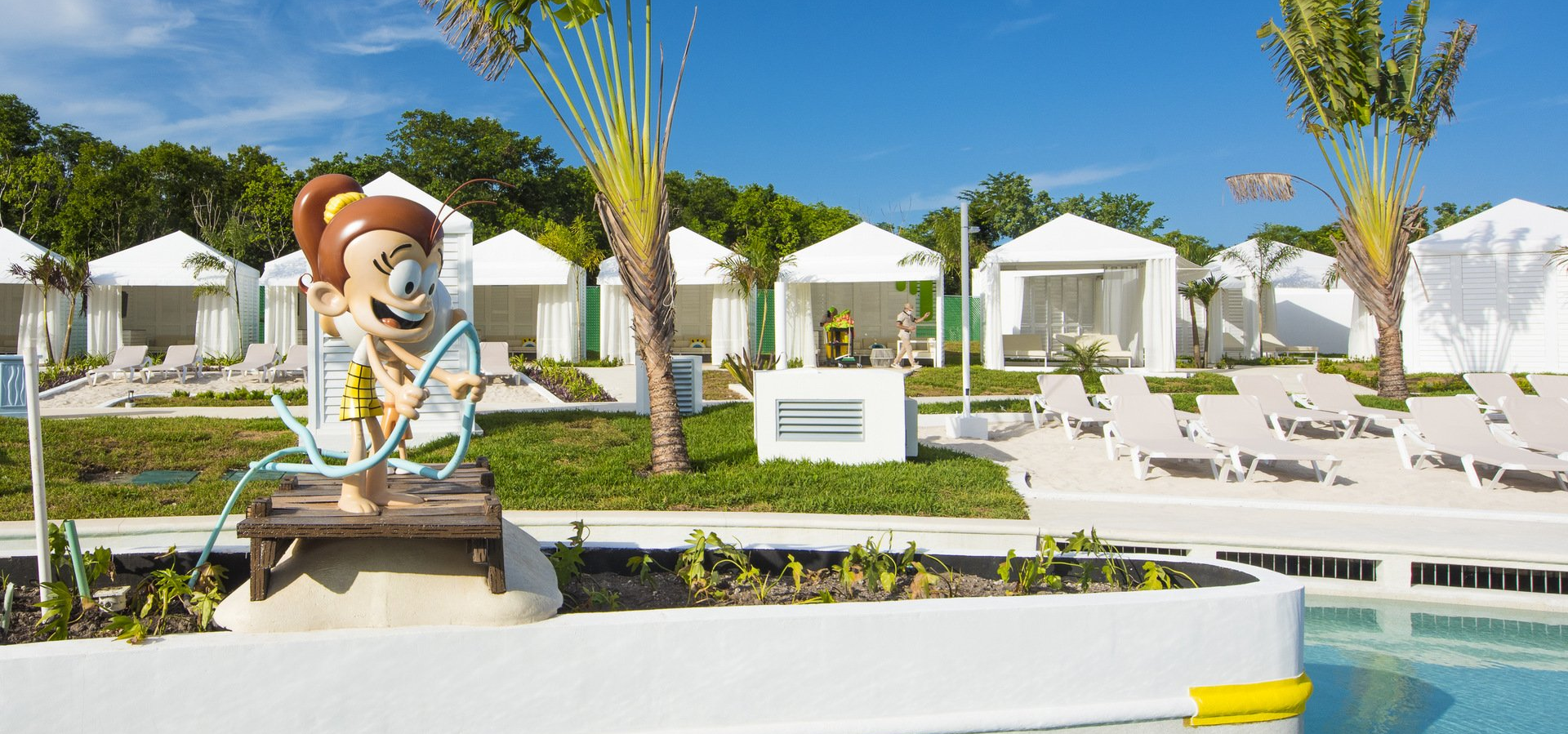
Scenic design applied to hospitality introduces a key component: storytelling. Spaces are no longer static; they become experiences to be explored.
The user does not just observe, they interact.
They do not just consume, they remember.
From visual pathways to three-dimensional elements, design guides the customer experience, creates focal points, and generates moments that increase dwell time and emotional connection with the space.
This has a direct impact on key metrics such as satisfaction, recommendation, and loyalty.
Differentiation in Global Markets
In highly competitive tourist destinations and cities, standing out is not optional—it is essential. Scenic design allows hotels and restaurants to position themselves uniquely within a saturated market.
Themed spaces, strong visual concepts, and immersive experiences generate organic content on social media, increase brand visibility, and strengthen positioning in the international market.
Today, a well-designed space is not only visited.
It is shared.
Functionality and Operations
Beyond visual impact, scenic design must respond to operational needs. Material selection, structural durability, and ease of maintenance are key factors in high-traffic environments.
Balancing aesthetics and functionality ensures that spaces not only look good but also operate efficiently over time. This directly impacts costs, durability, and consistency of the experience.
Design as a Strategic Investment
Investing in scenic design is not an expense it is a strategic decision. A well-executed space increases perceived value, justifies higher pricing, and strengthens brand identity.
In a market where consumers seek differentiated experiences, the physical environment becomes a key asset for generating competitive advantage.
At Scenic Studios, we understand that scenic design in hospitality is not just about aesthetics it is about building experiences that connect, communicate, and remain in the user’s memory.
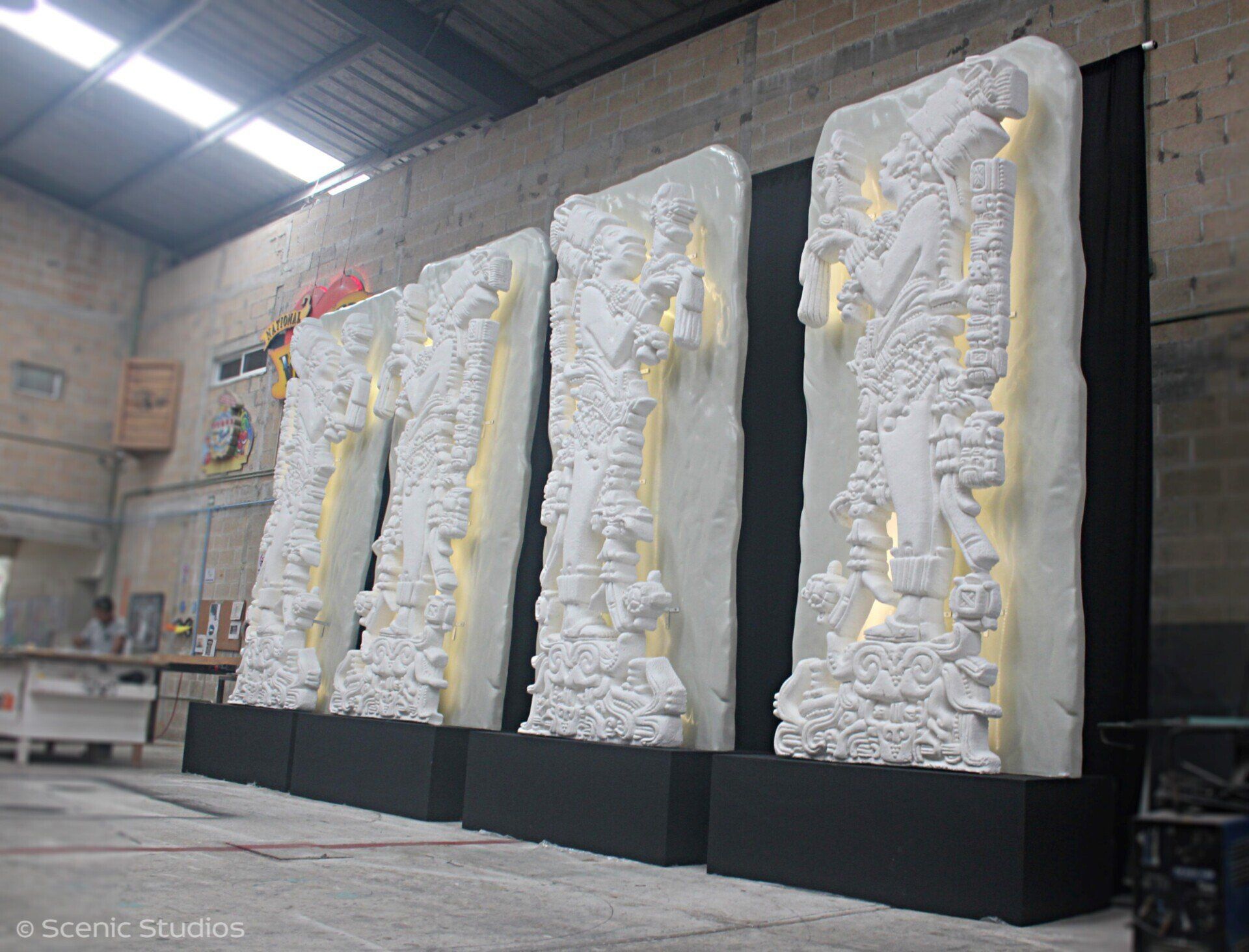
Through the integration of design, fabrication, and technical execution, we develop spaces that not only fulfill a function but elevate the value of each project.
Because in today’s hospitality industry, the true differentiator is not only what is offered. It is how it is experienced.