Types of containers for export

Scenic Studios Design & Production • 19 de octubre de 2022

Scenic Studios chose to carry out its exports by sea to make the most out of our geographical conditions. When carried out, we have to ensure that we choose the correct container to maintain the quality that distinguishes our products so much. Therefore, the following article discusses the containers, types of cargo that we handle when exporting our custom made pieces.

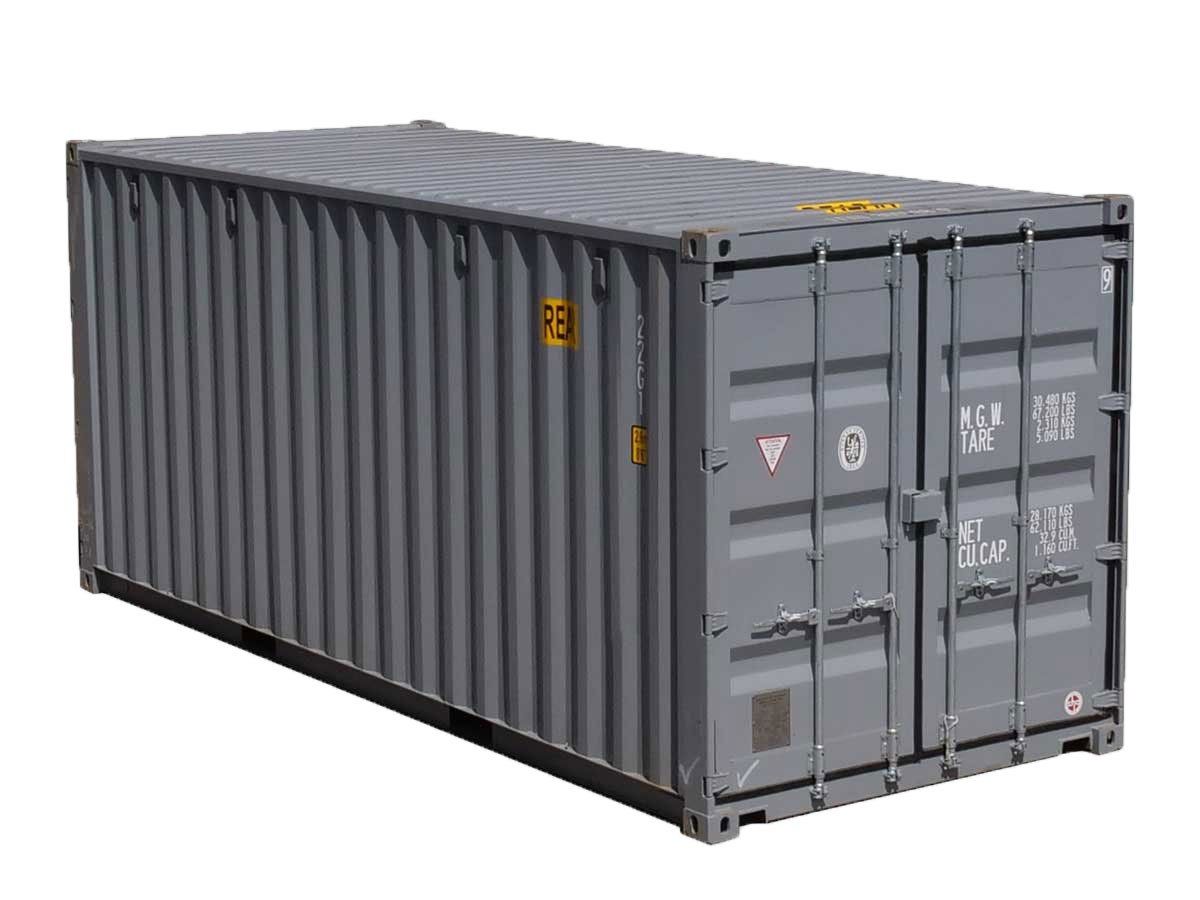
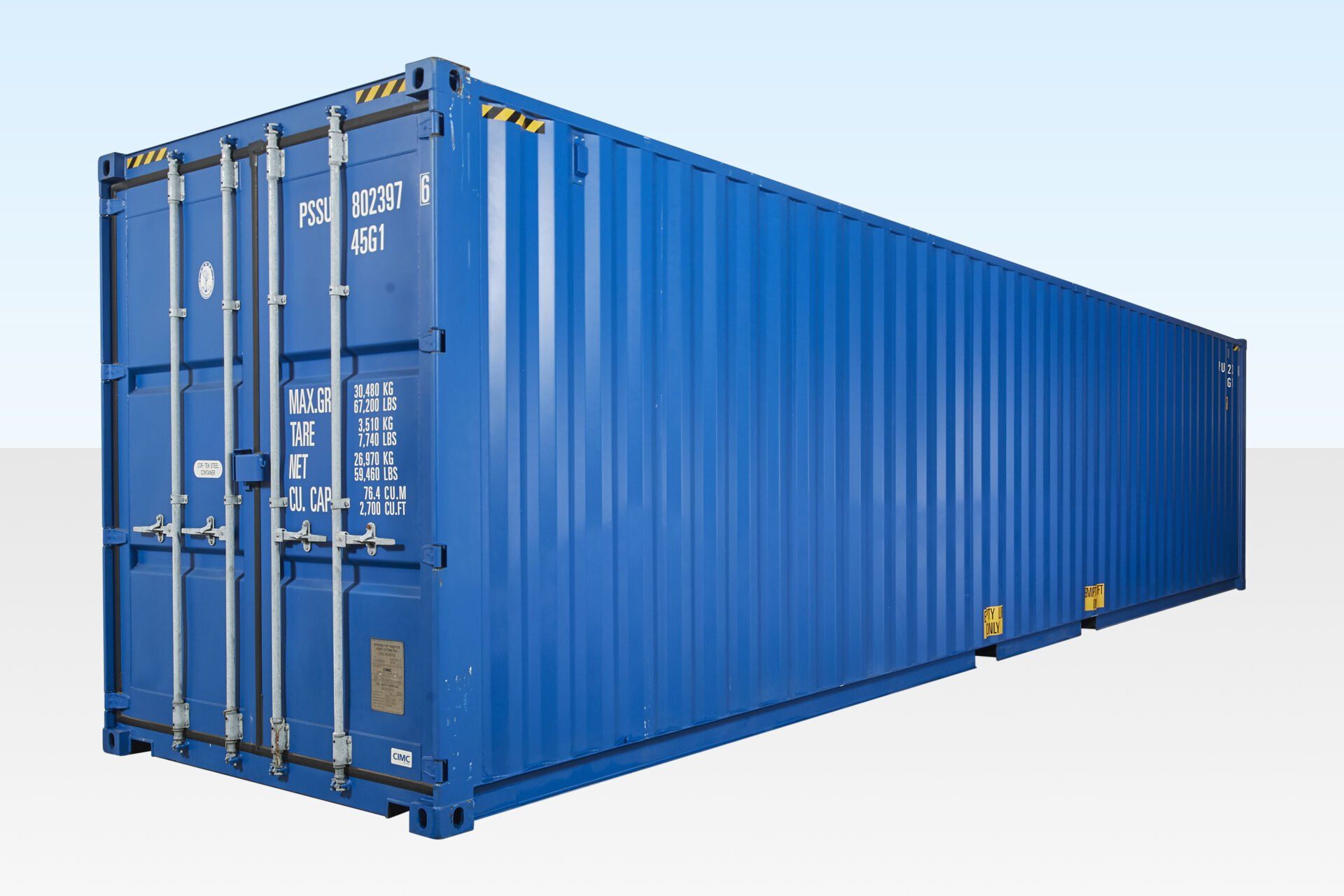
Dry cargo container

 It’s used for any general cargo, there are hardtop types for tall and bulky loads. The 20ft and 40ft dry cargo containers are made from aluminum or steel and are suitable for all types of cargo. Aluminum containers allow a greater weight capacity of merchandise, while, in general, steel containers have a slightly higher internal cubic capacity.
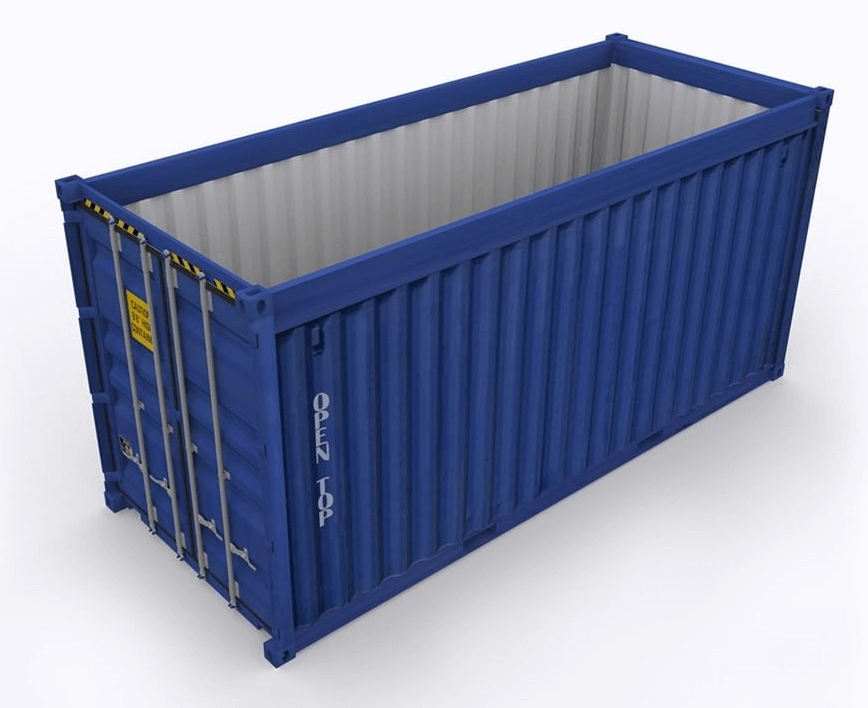
Open top container

Open Top Containers have a removable roof instead of a solid roof. They are specially designed for the transport of heavy and/or large loads such as wood or scrap. Open Top Containers usually have doors at the ends, like closed containers, and are used mostly in local areas, between local ports when climate conditions or merchandise are not much of an issue.
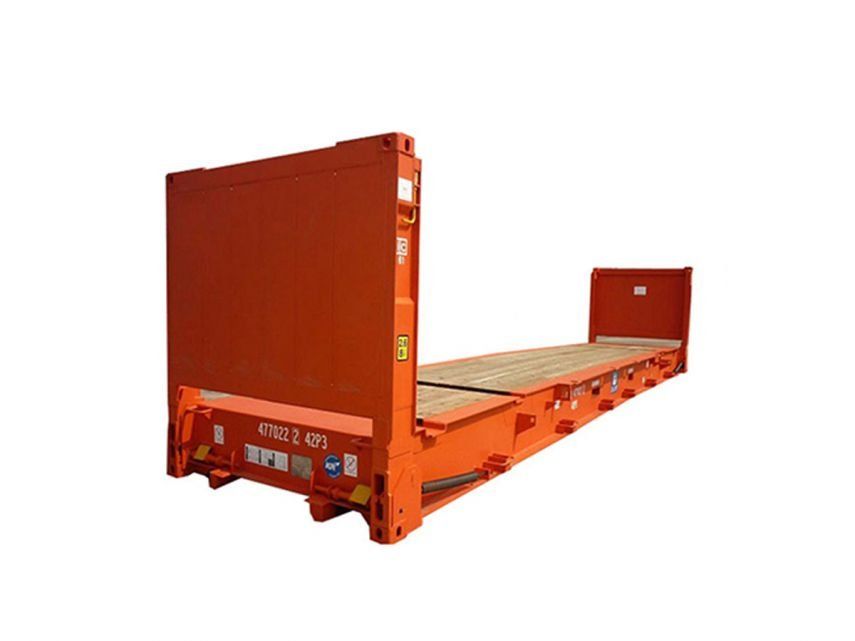
Flat rack container

Flat rack containers come without ends and without a roof. It is used for shipping merchandise with large dimensions that do not fit in another type of container.
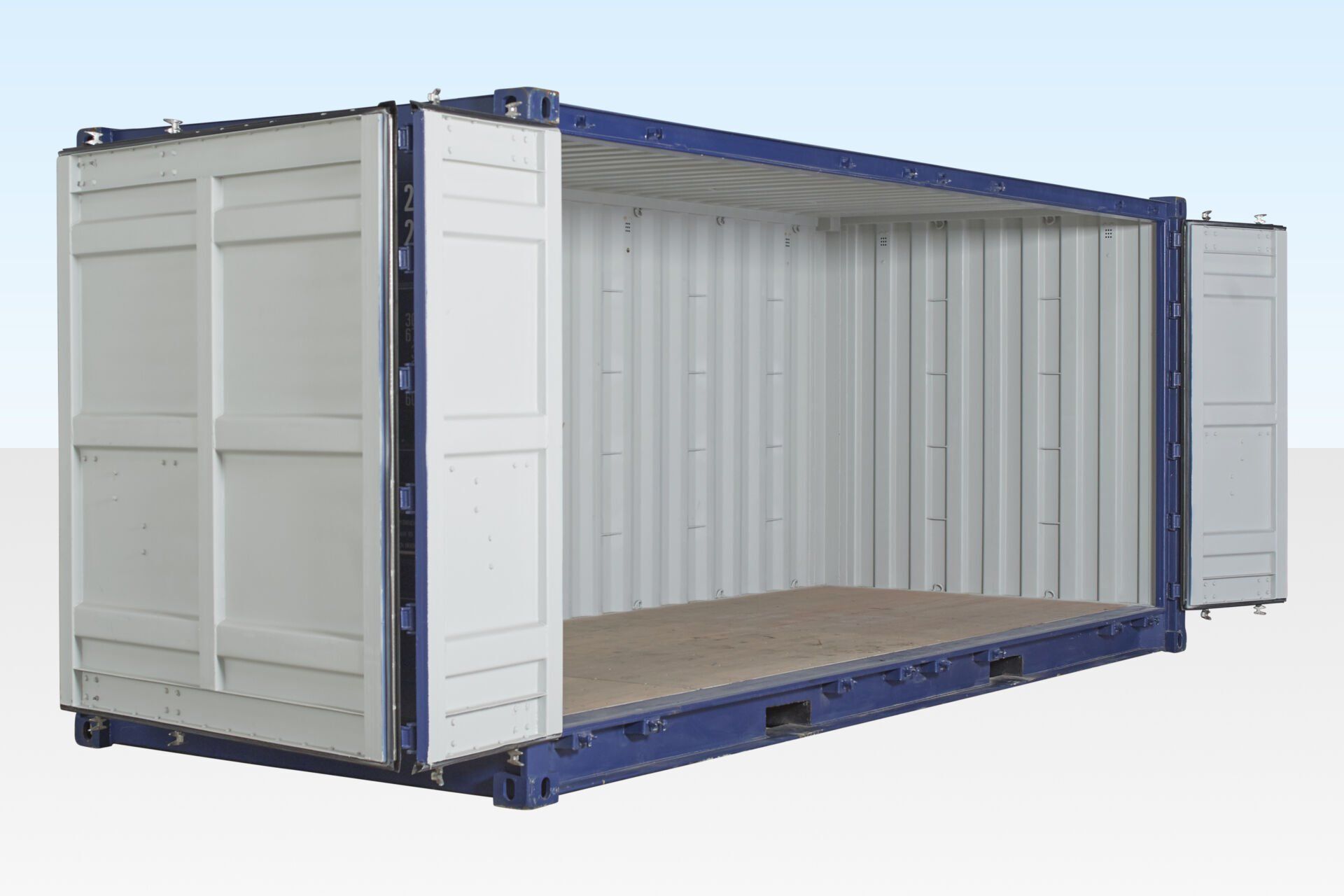
Open side container

It was designed to make the loading of goods more easy through the side doors of the container. Its 4-leaf doors allow for easy and quick access to handle the load that is stored. Its measurements can be 20 or 40 feet and are normally used for loads of large dimensions in length that cannot be stored through the rear door of the container. These containers are usually handled nationally.
High Cube container

The High Cube containers are very similar to the dry cargo container, except for their height, since the High cube containers have a height of 9'6'' and the 40` dry cargo containers have a height of 8'6''. These types of containers are also known for being built with corten steel. This material makes them strong and resistant containers to the harsh conditions that a sea voyage has.

Tu idea convertida en realidad

VER GALERÍA
In contemporary scenography, rendering has evolved beyond a simple visual representation.
por Scenic Studios Design & Production 30 de marzo de 2026
In contemporary scenography, rendering has evolved beyond a simple visual representation.
En la escenografía contemporánea, el render dejó de ser una simple representación visual.
por Scenic Studios Design & Production 30 de marzo de 2026
En la escenografía contemporánea, el render dejó de ser una simple representación visual.
In the global events and brand experience industry, women are redefining how spaces are conceived
por Scenic Studios Design & Production 23 de marzo de 2026
For many years, scenic design was perceived as a primarily technical and operational field. Today, that view is rapidly changing. In the global events and brand experience industry, women are redefining how spaces are conceived, managed, and executed, contributing strategic vision, creative leadership, and operational
En la industria global de eventos y experiencias de marca, las mujeres están redefiniendo
por Scenic Studios Design & Production 23 de marzo de 2026
Durante muchos años, la escenografía fue percibida como un campo principalmente técnico y operativo. Hoy, esa visión está cambiando rápidamente. En la industria global de eventos y experiencias de marca, las mujeres están redefiniendo la manera en que los espacios se conciben, se gestionan y se ejecutan
When a set design works, the audience rarely wonders how it was built.
por Scenic Studios Design & Production 17 de marzo de 2026
When a set design works, the audience rarely wonders how it was built. They only perceive the result: a coherent, impactful, and well-executed space. However, behind every successful experience lies a complete system of tools, processes, and people that make it all possible for everything to happen without visible erro
Cuando una escenografía funciona, el público rara vez se pregunta cómo fue construida.
por Scenic Studios Design & Production 17 de marzo de 2026
Cuando una escenografía funciona, el público rara vez se pregunta cómo fue construida. Solo percibe el resultado: un espacio coherente, impactante y bien ejecutado. Sin embargo, detrás de cada experiencia exitosa existe un sistema completo de herramientas, procesos y personas que hacen posible que todo ocurra sin error
In contemporary set design, the opposite is true: carpentry remains one of the fundamental pillars
por Scenic Studios Design & Production 10 de marzo de 2026
In an industry increasingly dominated by technology, automation, and digital processes, one might think that traditional crafts have lost relevance. However, in contemporary set design, the opposite is true: carpentry remains one of the fundamental pillars for transforming creative concepts into real, safe, and functio
En la escenografía contemporánea ocurre lo contrario: la carpintería sigue siendo uno de los pilares
por Scenic Studios Design & Production 10 de marzo de 2026
En una industria cada vez más dominada por tecnología, automatización y procesos digitales, podría pensarse que los oficios tradicionales han perdido relevancia. Sin embargo, en la escenografía contemporánea ocurre lo contrario: la carpintería sigue siendo uno de los pilares fundamentales para convertir conceptos creat
It all begins with a brief. But not with a literal reading of the document
por Scenic Studios Design & Production 2 de marzo de 2026
It all begins with a brief. But not with a literal reading of the document, but with its correct interpretation. Understanding the central message, the emotion it aims to evoke, and the context in which the brand will be presented allows you to identify opportunities for the space to speak for itself. A good brief isn'
Todo comienza con un brief. Pero no con la lectura literal del documento
por Scenic Studios Design & Production 2 de marzo de 2026
Todo comienza con un brief. Pero no con la lectura literal del documento, sino con su correcta interpretación. Entender el mensaje central, la emoción que se quiere provocar y el contexto en el que la marca se presentará permite detectar oportunidades para que el espacio hable por sí mismo. Un buen brief no se ejecuta: