

What the audience doesn't see, but makes possible: Tools, processes, and equipment behind a successful set design
When a set design works, the audience rarely wonders how it was built. They only perceive the result: a coherent, impactful, and well-executed space. However, behind every successful experience lies a complete system of tools, processes, and people that make it all possible for everything to happen without visible errors.
In professional set design, the invisible is what sustains the experience.
1. Tools as allies of judgment, not as protagonists
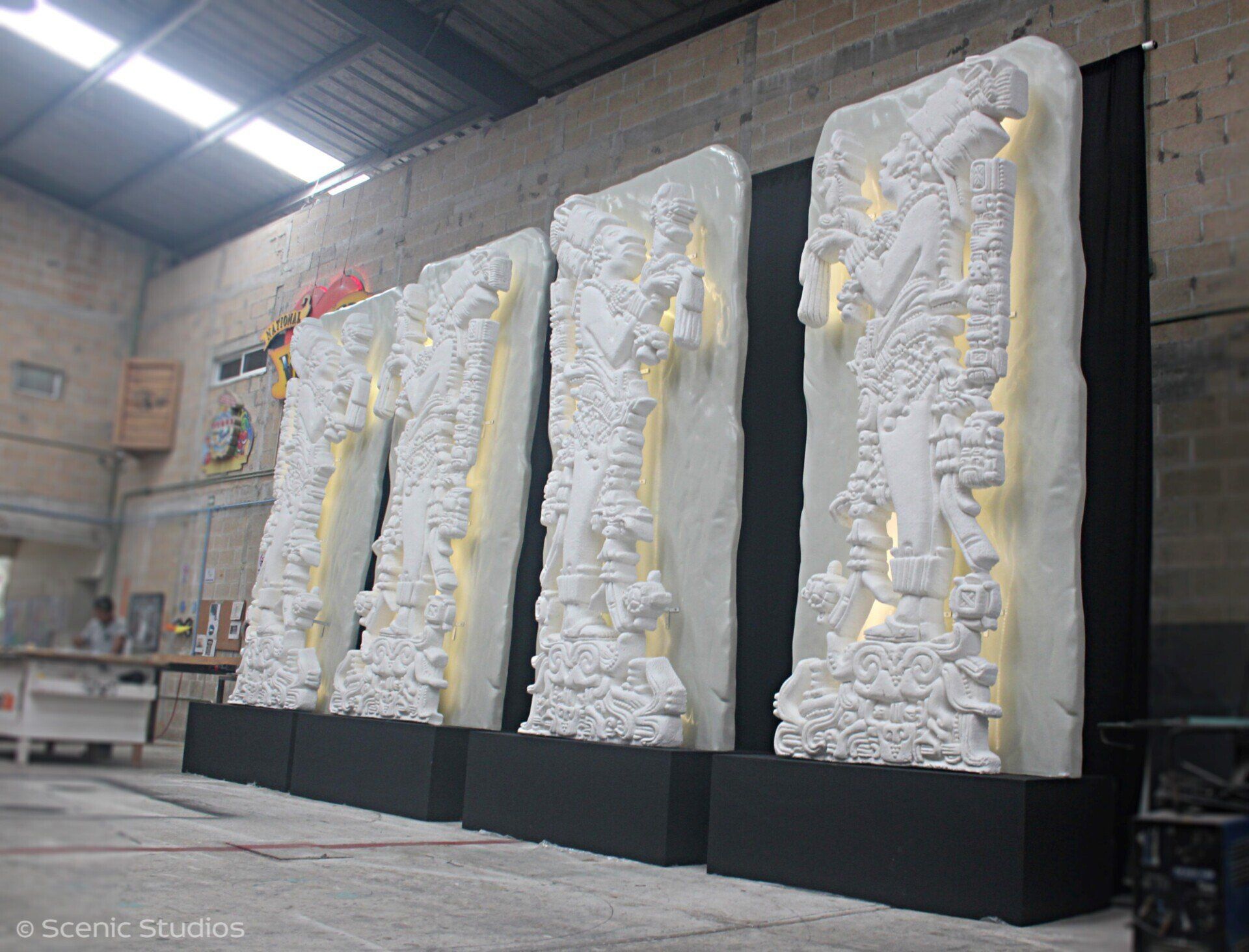
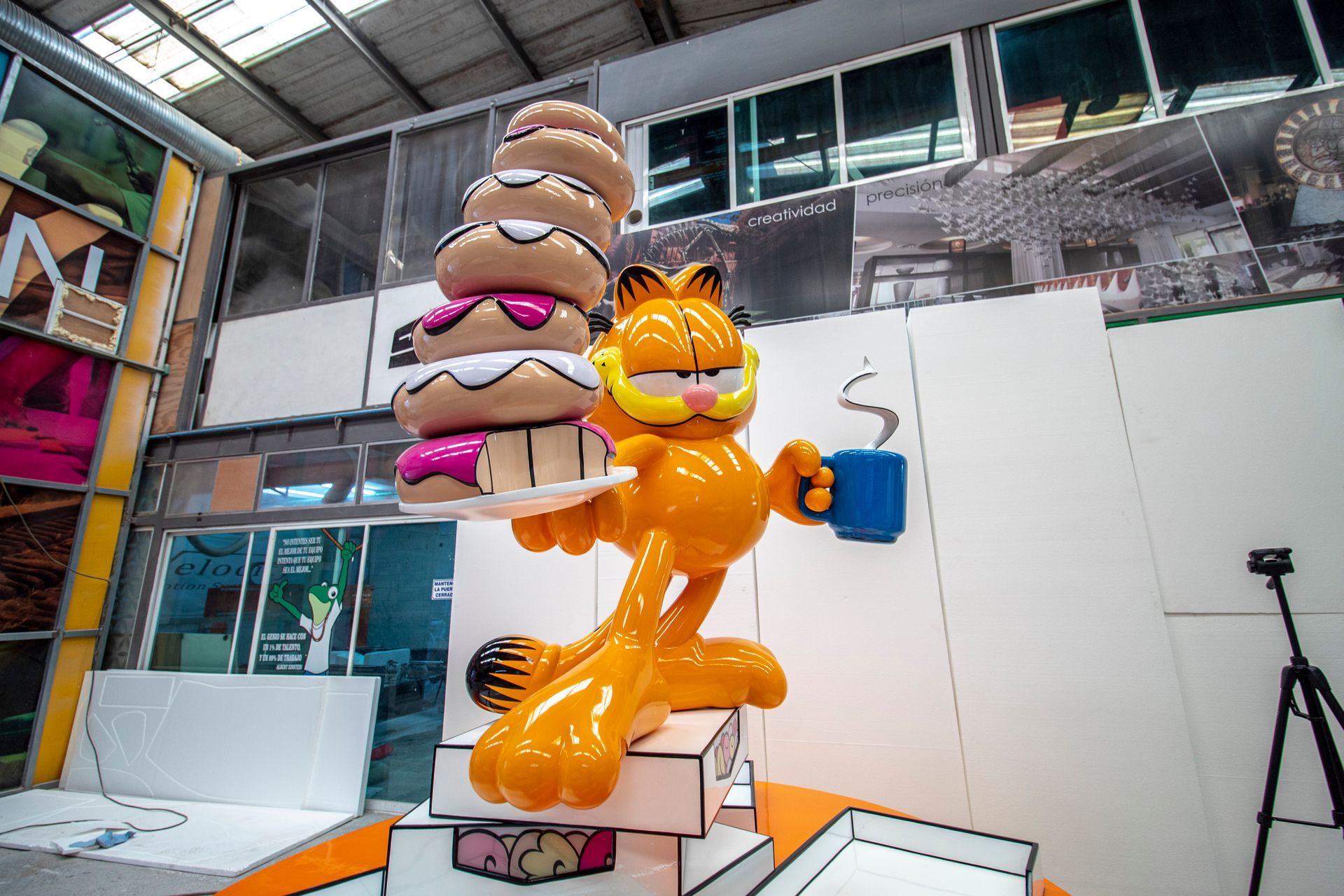
The quality of a set design doesn't depend solely on having good machinery, but on knowing when and how to use it. In contemporary processes, the following coexist:
- High-precision hand tools
- Electric machinery and specialized equipment
- Digital technology applied to design and manufacturing
Each tool fulfills a specific function within the workflow. Using them correctly optimizes time, reduces errors, and raises the standard of quality.
2. Clear processes: the basis of execution without improvisation
A set design isn't built during assembly; It is built much earlier. Well-defined processes allow you to:
- Translate the design into concrete actions
- Anticipate technical and logistical needs
- Maintain control over time and costs
- Ensure consistency between concept and execution
When processes are solid, the result is predictable, efficient, and professional.
3. The team behind the project: specialization and coordination
Set design is a collective effort. Designers, producers, carpenters, technicians, and operational staff must function as a single system.
Proper team coordination allows for:
- Fluid communication between departments
- Quick and well-informed decisions
- A smaller margin of error during fabrication and assembly
- Safer and more organized assemblies
Here, experience and leadership make all the difference.
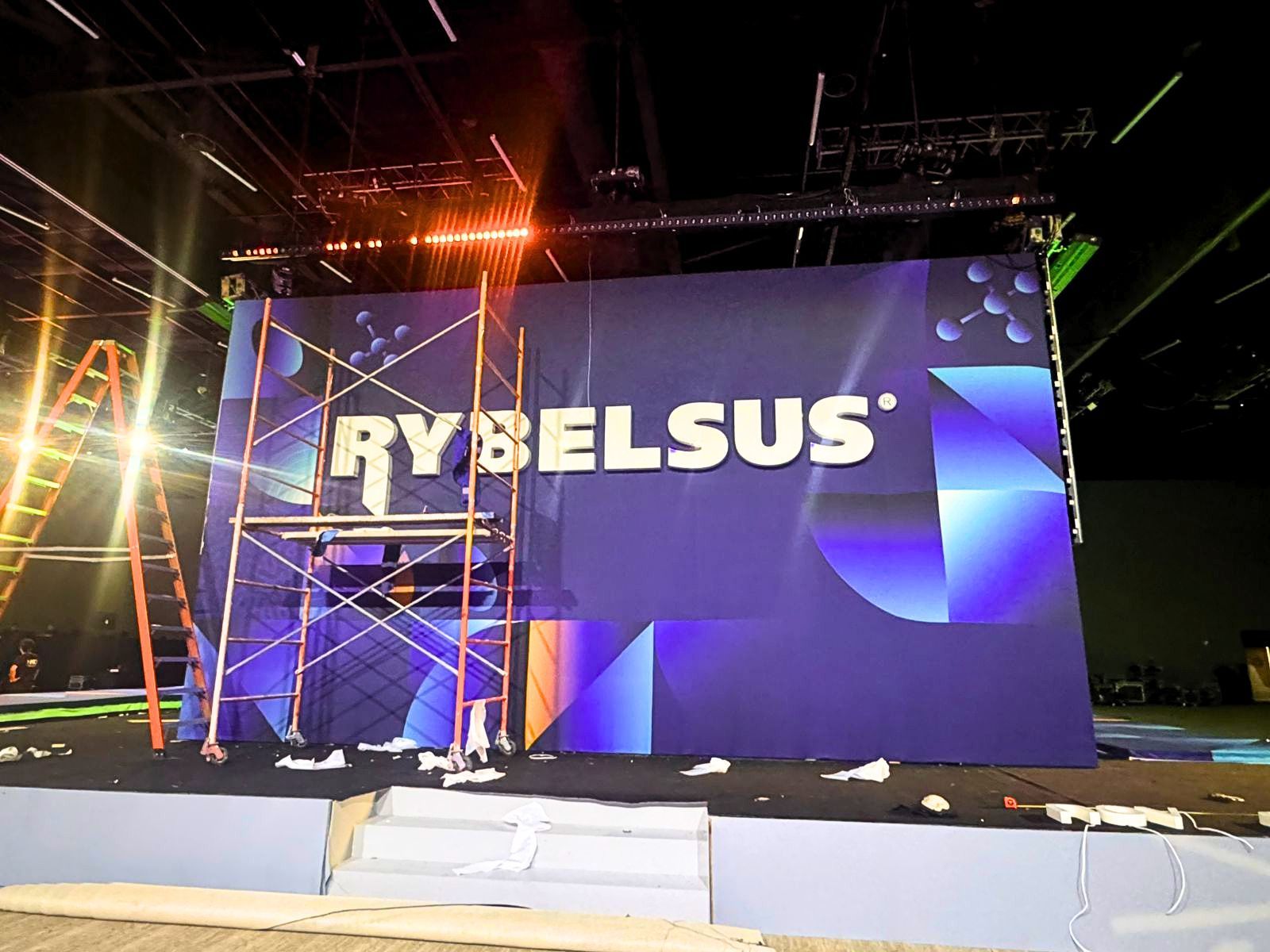
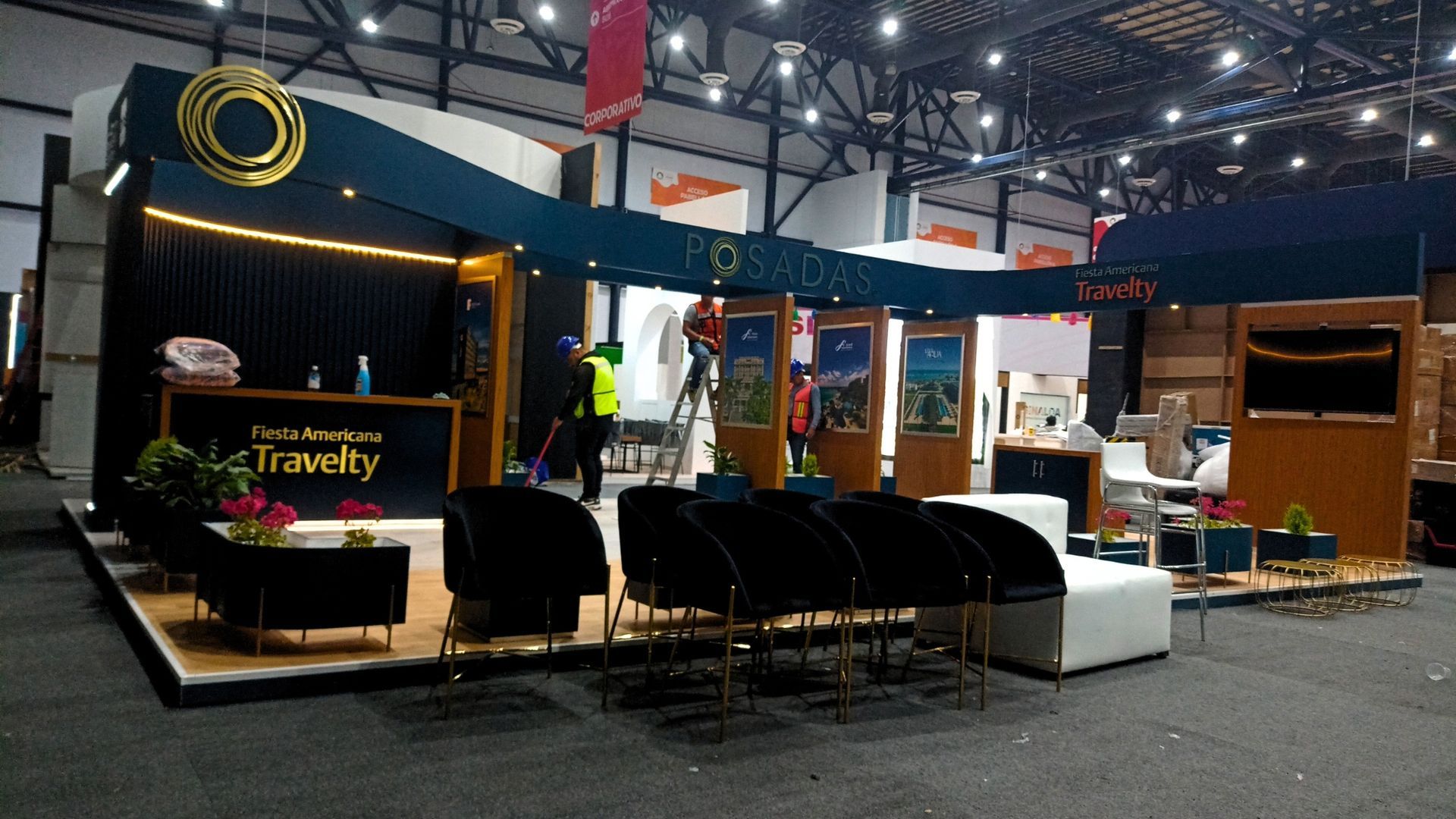
4. On-site execution: when everything is put to the test
Assembly is the most critical moment of the process. Limited time, variable conditions, and last-minute adjustments are part of the reality of the industry. A well-planned execution allows you to:
- Resolve unforeseen issues without compromising the design
- Meet established deadlines
- Maintain safety standards
- Deliver a ready-to-use experience for the audience
When the audience enters the space, everything should already be in place.
5. The Value of What You Don't See
Plans, tests, adjustments, corrections, and hours of prior work are not part of the visible experience, but they are essential to its quality. The audience doesn't see the processes, but they do perceive when something works correctly.
A successful set design feels solid, fluid, and well-thought-out because there is a system behind it that supports it.
At Scenic Studios, each project is built using the right tools, defined processes, and highly coordinated teams. This behind-the-scenes work is what allows us to transform ideas into functional, safe, and memorable sets.
Because true visual impact comes from everything the audience doesn't see, but that makes it possible.