

Fiberglass in scenic production: how high-impact pieces are created for memorable experiences
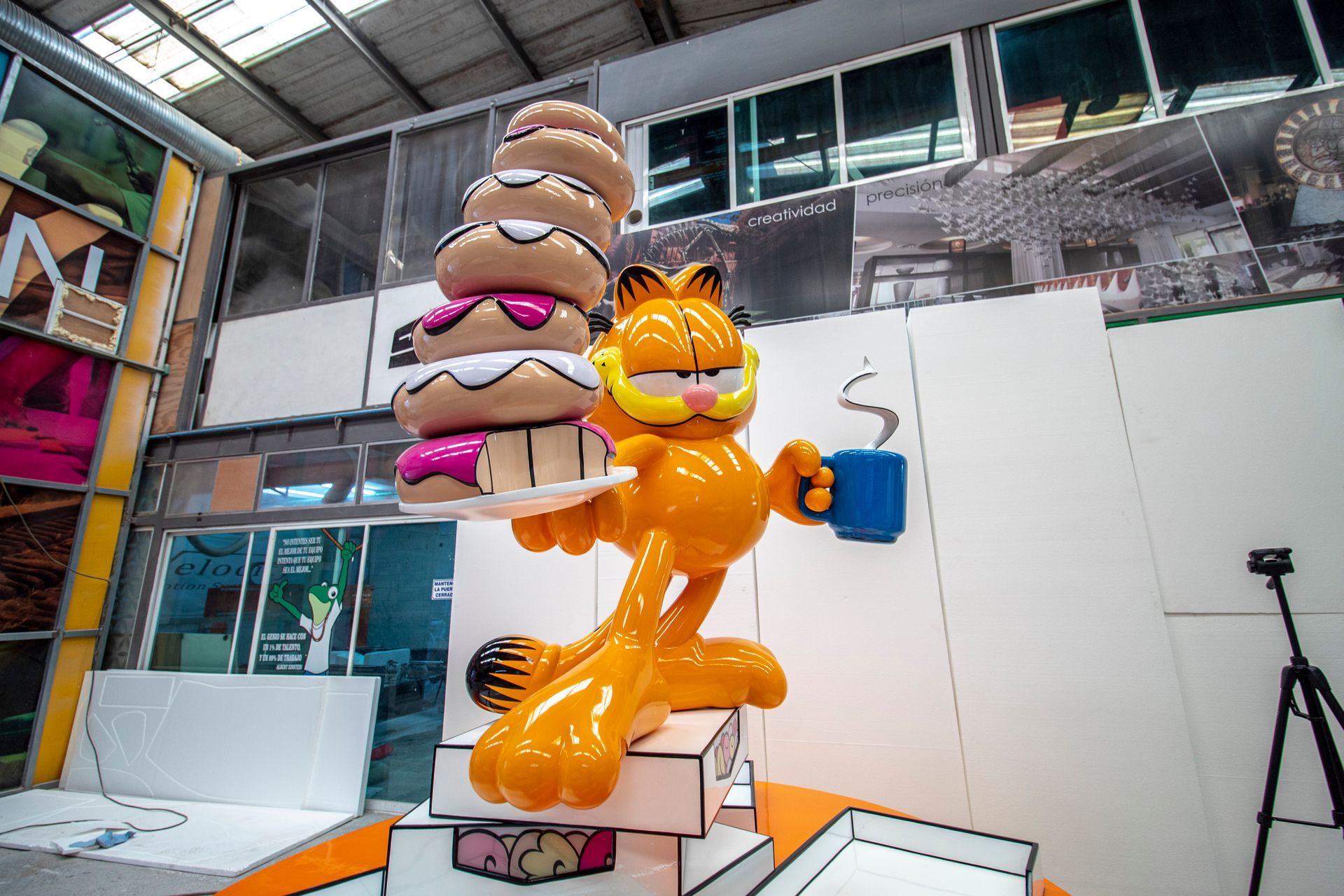
In scenic production, some materials allow ideas to go further. One of the most versatile and powerful is fiberglass.
Its ability to adapt to complex shapes, combine strength with lightness, and deliver premium finishes makes it ideal for standout projects.
Why is fiberglass used in scenic production?
1. Total creative freedom
It allows organic, curved, volumetric, and fully custom pieces that are difficult to achieve with other materials.
2. High strength with lower weight
It is durable and lighter than many structural alternatives, making transport and installation easier.
3. Premium finishes
It can be painted, polished, and refined for high-end visual results.
4. Suitable for indoor and outdoor use
It performs well in different environments, making it ideal for events, activations, retail, and permanent spaces.
How is a fiberglass piece created?
The process usually includes:
• Design development and modeling
• Mold or base structure creation
• Resin and fiberglass lamination
• Curing and reinforcement
• Sanding, detailing, and finishing
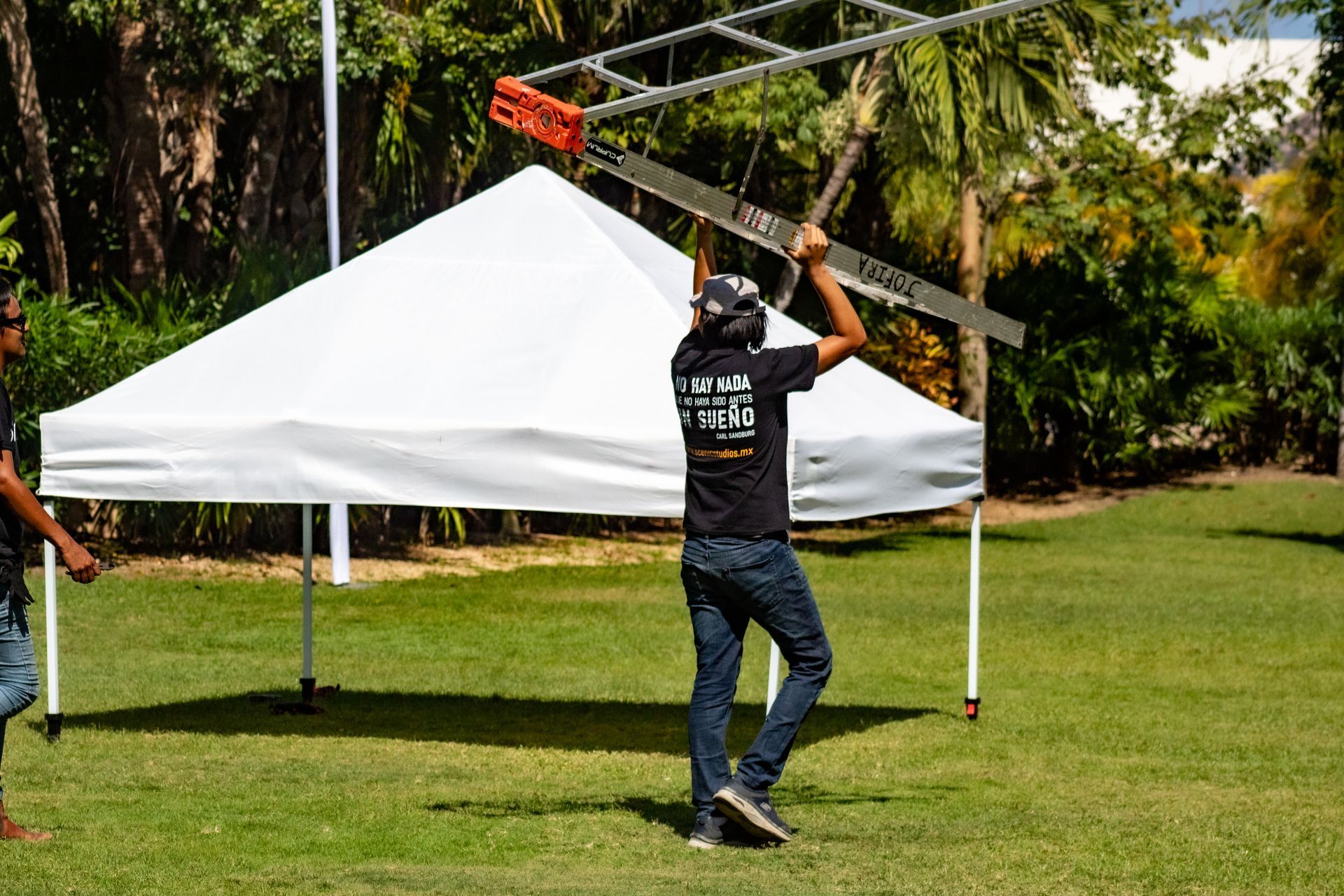
• On-site installation
Where does it create the biggest impact?
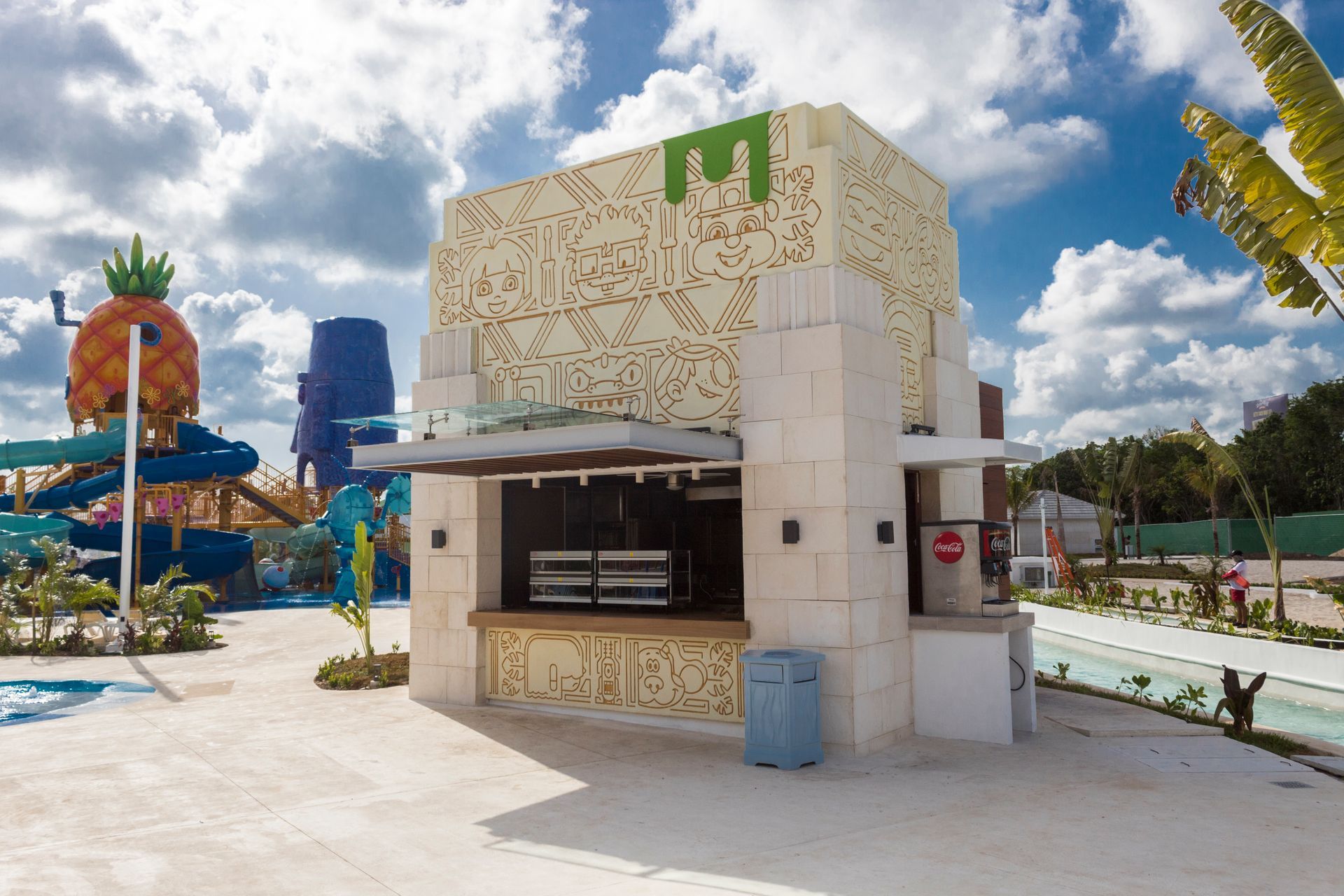
• Brand activations
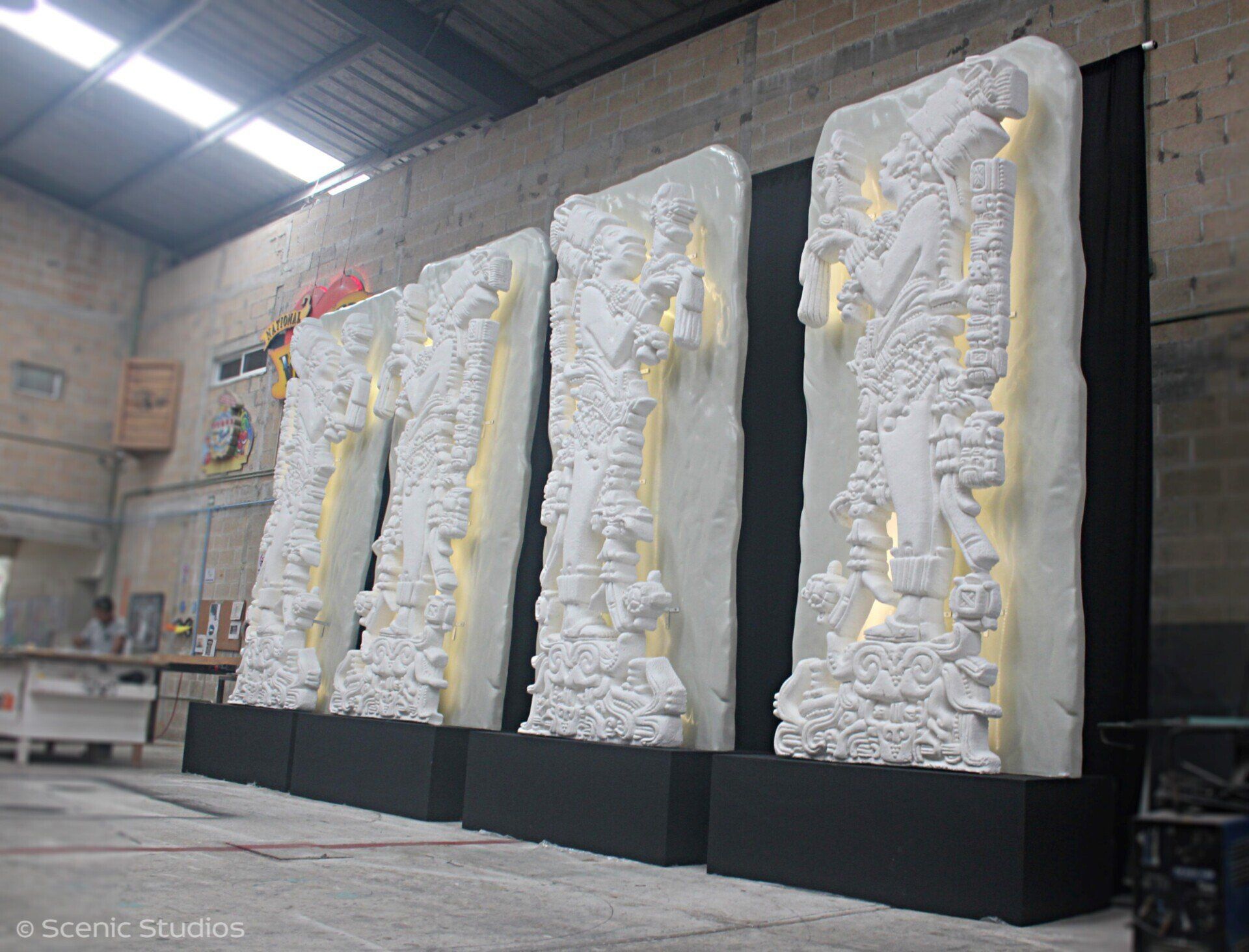
• Monumental sculptures
• Photo opportunities
• Themed stages
• Commercial displays
• Immersive experiences
Fiberglass is not just a material.
It is a tool to transform concepts into memorable pieces that elevate brand experiences.
Because when design has no limits, impact doesn’t either.